Looking around your home, you might notice how many single-use plastics and non-recyclable items you use every day. These products can stay in the environment for hundreds of years, harming animals, soil, and even water sources. The good news: you can easily switch to biodegradable products that break down safely and quickly. Shopping online makes it simple to find the best options for your needs. Let’s explore the world of biodegradable products, why they matter, and which ones are worth buying now.
Why Biodegradable Products Matter
Biodegradable products are made to return safely to nature, usually within months or a few years. When you choose these over regular plastic, you help reduce the waste piling up in landfills and oceans. For example, a plastic straw can last up to 200 years, but a biodegradable straw might disappear in 90 days. This change may feel small, but when millions of people switch, the impact is huge.
Many people believe “compostable” and “biodegradable” are the same, but they are not. Compostable products break down only under certain conditions, while biodegradable items need less specific environments. Checking product labels helps you choose wisely.
Top 12 Biodegradable Products To Buy Online
With so many options online, it’s easy to feel lost. Here are twelve of the best biodegradable products, chosen for their usefulness, reliability, and positive reviews.
- Biodegradable Trash Bags
- Made from plant-based materials like cornstarch.
- Break down in landfills much faster than plastic.
- Popular brands include BioBag and Green Earth.
- Bamboo Toothbrushes
- Handles made from sustainably sourced bamboo.
- Bristles can be made with biodegradable nylon or castor bean oil.
- Usually last as long as plastic ones, but compost much faster.
- Compostable Cutlery
- Forks, knives, and spoons made from cornstarch or sugarcane.
- Strong enough for most meals.
- Good for picnics and parties; they decompose in a few months.
- Paper or Wheat Straws
- Replace plastic straws for drinks.
- Break down quickly and don’t leave microplastics.
- Wheat straws are especially sturdy and all-natural.
- Biodegradable Plates and Bowls
- Made from bagasse (sugarcane fiber), palm leaves, or recycled paper.
- Safe for hot and cold foods.
- Used at events and for takeout.
- Natural Fiber Sponges
- Replace synthetic kitchen or bath sponges.
- Made from plant fibers like luffa or cellulose.
- Safe to compost after use.
- Biodegradable Dog Poop Bags
- Essential for pet owners.
- Made from cornstarch or other plant materials.
- Break down in landfill, unlike regular plastic bags.
- Eco-Friendly Phone Cases
- Made from wheat straw, bamboo, or recycled bioplastics.
- Protect your phone and the environment.
- Popular brands: Pela Case and A Good Company.
- Plant-Based Dental Floss
- Floss made from silk or corn fiber.
- Packaged in glass or cardboard, not plastic.
- Breaks down naturally after use.
- Compostable Coffee Pods
- Work with popular coffee machines.
- Made from plant-based materials.
- Decompose quickly, unlike regular plastic/aluminum pods.
- Biodegradable Packaging Peanuts
- Used for shipping fragile items.
- Made from cornstarch and dissolve in water.
- Safe for home composting.
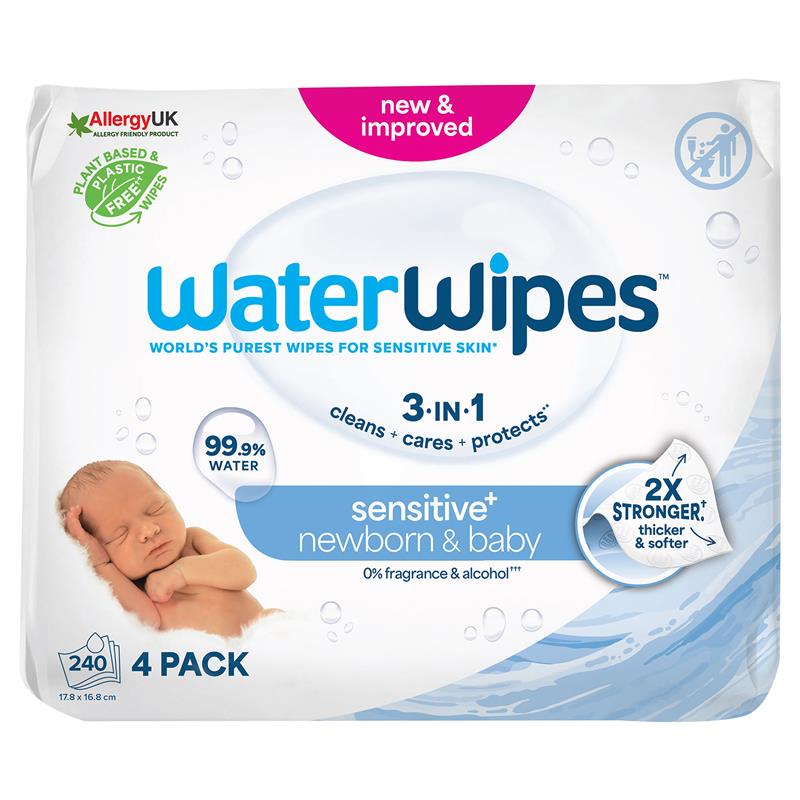
- Biodegradable Wet Wipes
- Used for babies, cleaning, or travel.
- Made from plant-based fibers, not plastic.
- Break down much faster than standard wipes.

Credit: www.wix.com
Comparing Biodegradable And Regular Products
Switching to biodegradable items often means spending a bit more, but the environmental savings are worth it. Here’s a quick look at how biodegradable trash bags compare to regular plastic ones:
| Feature | Biodegradable Trash Bag | Plastic Trash Bag |
|---|---|---|
| Material | Cornstarch, PLA, PBAT | Petroleum-based plastic |
| Breakdown Time | 6-12 months | 100-500 years |
| Compostable | Yes (some brands) | No |
| Price (per bag) | $0.15–$0.30 | $0.10–$0.15 |
What To Look For When Shopping Online
Not all “eco-friendly” products are truly biodegradable. Look for:
- Certifications: Compostable (ASTM D6400, EN 13432), BPI, or OK Compost.
- Material Details: Real biodegradable products use plant-based sources.
- Packaging: Even the box or wrap should be recyclable or compostable.
Many products look green but contain hidden plastics. Always read the product description and reviews. Also, remember that some biodegradable items need specific conditions to break down well. For example, home composting may not break down thicker items as quickly as industrial composting.
Table: Pros And Cons Of Biodegradable Products
It’s helpful to weigh the good and bad when choosing biodegradable products:
| Pros | Cons |
|---|---|
| Reduces landfill waste | Can be more expensive |
| Breaks down faster | Some items need special composting |
| Made from renewable sources | Durability may be lower |
| Safer for wildlife | Not all claims are true (greenwashing) |
Two Common Mistakes To Avoid
New buyers often make two mistakes:
- Assuming all green products are biodegradable: Some use recycled plastic or “oxo-degradable” materials that do not break down fully.
- Not checking for certification: Without real eco-labels, you might buy products that won’t decompose as promised.
Smart shopping saves both money and the planet. Always look for proof, not just promises.
Credit: www.northpoleconsultants.com.pk
Why Small Changes Matter
Switching just a few daily items to biodegradable options can make a big difference. For example, if every family in the U. S. used one less plastic trash bag per week, it would cut over 5 billion bags from landfills every year.
That’s why your choices matter. Even small steps help push companies to create better products.
Where To Buy
Major online stores like Amazon, Grove Collaborative, and specialized eco-stores offer a wide selection of biodegradable products. Always check customer reviews and look for detailed product information. For more on eco-certifications and green living, visit EPA's Composting at Home.

Credit: www.northpoleconsultants.com.pk
Frequently Asked Questions
What Does “biodegradable” Really Mean?
Biodegradable means a product can be broken down by natural processes (like bacteria and fungi) into water, carbon dioxide, and organic matter within a reasonable time, usually months to a few years.
Are All Biodegradable Products Compostable?
No. Compostable items break down only in specific compost environments, while biodegradable items may break down in a wider range of natural settings. Always check labels for details.
Can Biodegradable Products Go In Regular Trash?
Yes, but for best results, try to compost them if possible. In a landfill, breakdown is slower due to limited air and light, but they still decompose faster than plastic.
Are Biodegradable Products Safe For The Environment?
Generally, yes. They leave behind no toxic residue, especially if made from natural sources. Be careful of products with unclear ingredients or fake eco-claims.
How Do I Know If A Product Is Truly Biodegradable?
Look for certification labels such as ASTM D6400 or BPI Certified. Read reviews and product details carefully to avoid “greenwashing.”
Switching to biodegradable products online is an easy, powerful way to help the environment. The right choices reduce waste, protect nature, and set an example for others. Every small change is a step toward a cleaner, greener world.
Comments
Post a Comment