Looking for ways to make your kitchen more eco-friendly? Many people want to help the planet but don’t know where to start. The good news is, you can make a big difference by choosing the right kitchen products. Simple changes—like swapping plastic for reusable items—can reduce waste and save money.
This guide shares the most effective eco friendly kitchen products, complete with practical tips, non-obvious insights, and easy-to-understand explanations. Whether you’re just starting or want to take your green kitchen to the next level, you’ll find ideas that fit your needs.
Why Eco Friendly Kitchen Products Matter
Every year, millions of tons of kitchen waste end up in landfills. Most of this waste comes from single-use plastics, paper towels, and non-recyclable packaging. By using eco friendly kitchen products, you help:
- Cut down on waste
- Lower your carbon footprint
- Save money in the long term
- Create a healthier home
Some eco products also last longer and perform better than their disposable versions.
Essential Eco Friendly Kitchen Products
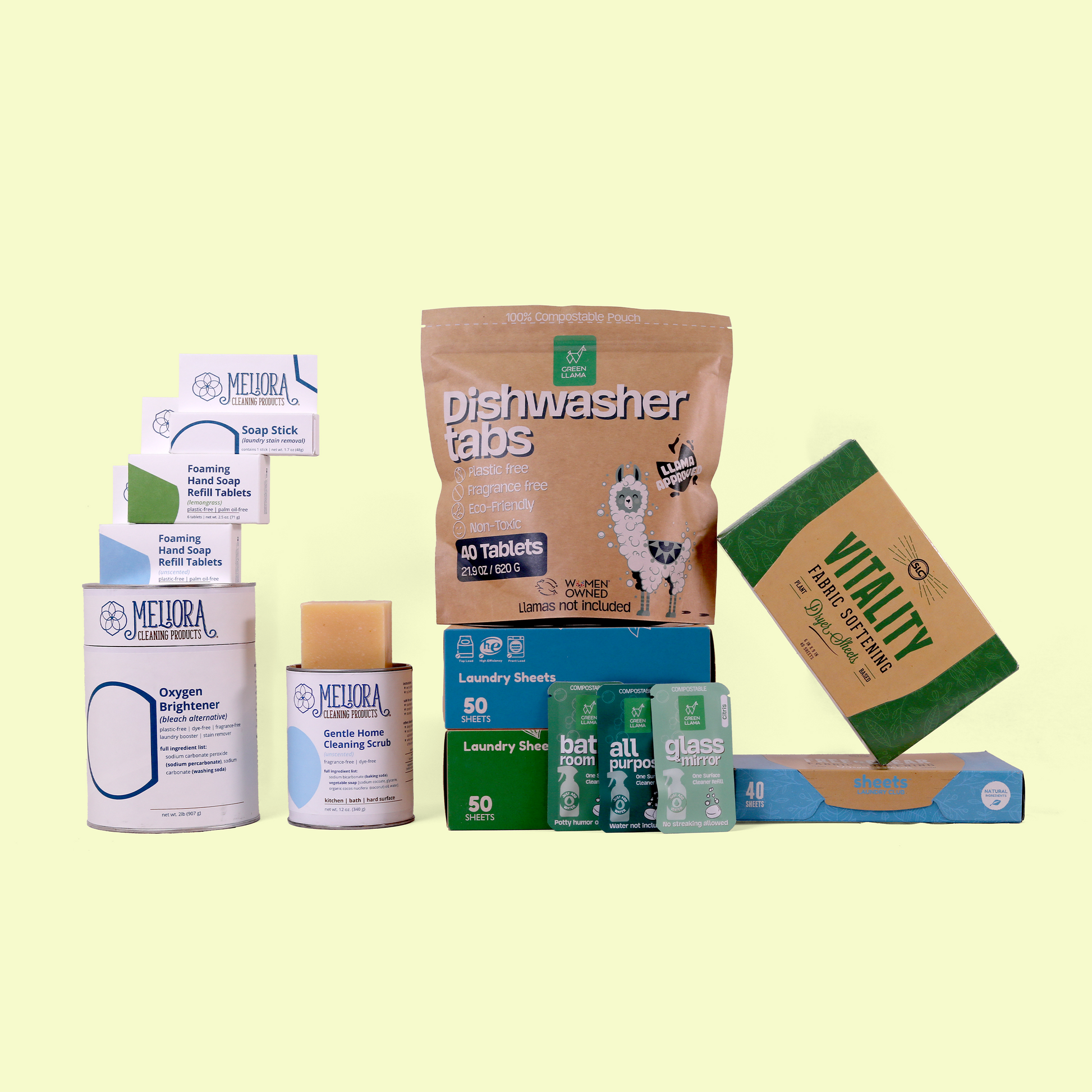
Here is a carefully selected list of products that can make your kitchen greener and more sustainable.
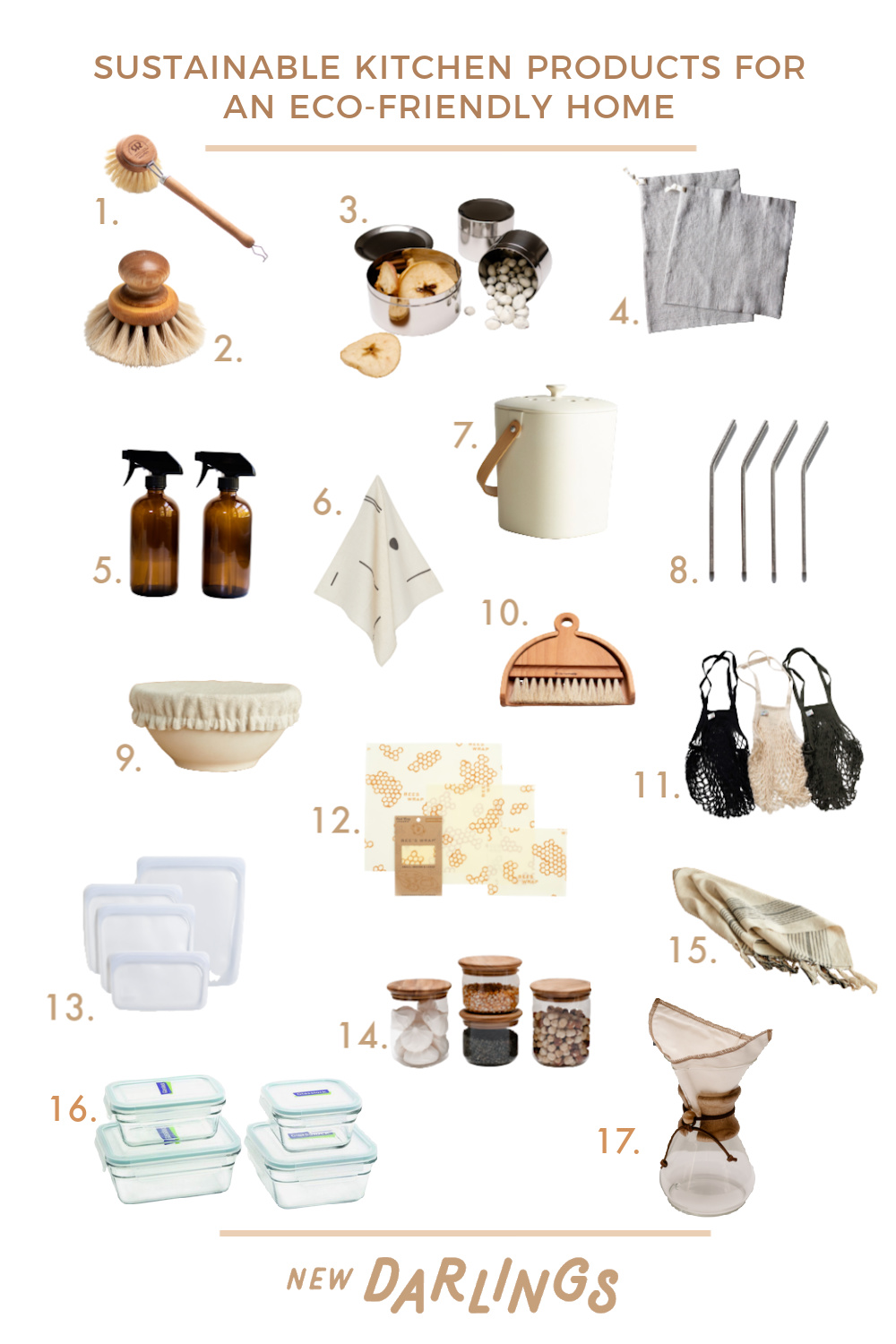
1. Reusable Food Storage Bags
Plastic sandwich bags are used once, then thrown away. Reusable silicone bags are a smart swap. They keep food fresh, are safe for the freezer, and easy to clean.
- Example: Stasher Bags can be washed and reused hundreds of times.
- Non-obvious tip: Use them for sous-vide cooking, not just storage.
2. Beeswax Food Wraps
Instead of plastic wrap, try beeswax wraps. They mold around food and containers using just the warmth of your hands.
- Last about a year with proper care
- Compostable at the end of their life
3. Compost Bin For Kitchen Counter
A small compost bin makes it easy to collect food scraps. You can turn these into nutrient-rich soil for your garden.
- Some models have carbon filters to control odors
- Example: Simplehuman Compost Caddy
4. Reusable Produce Bags
Skip the thin plastic bags at the store. Mesh or cotton produce bags hold fruits and veggies without extra waste.
- Lightweight, washable, and strong
- Useful for buying nuts and grains in bulk
5. Stainless Steel Or Glass Water Bottles
Single-use plastic bottles are a huge source of waste. A stainless steel or glass bottle is healthier, keeps drinks cold, and lasts for years.
- Example: Klean Kanteen and S’well bottles
6. Cloth Napkins
Paper napkins are used once and tossed. Cloth napkins can be washed and reused for years.
- Choose organic cotton or bamboo for extra eco-friendliness
7. Bamboo Or Wooden Utensils
Plastic utensils break and end up in landfills. Bamboo utensils are strong, compostable, and made from renewable resources.
- Bamboo grows quickly and needs little water
8. Cast Iron Or Stainless Steel Cookware
Nonstick pans can release harmful chemicals. Cast iron and stainless steel cookware last a lifetime and are safer for the environment.
- With good care, cast iron pans improve over time
9. Eco Friendly Dish Soap
Many dish soaps contain chemicals that harm the environment. Eco friendly dish soaps use plant-based ingredients and biodegradable packaging.
- Look for brands like Seventh Generation and Ecover
10. Reusable Coffee Filters
Paper filters create daily waste. Reusable stainless steel or cloth coffee filters do the same job, many times over.
- Some people find coffee tastes better with reusable filters
11. Energy Efficient Appliances
Old fridges and dishwashers waste energy. Energy Star certified appliances use less water and electricity.
- You can save up to 30% on energy bills
12. Refillable Soap Dispensers
Single-use plastic soap bottles add up fast. Glass or stainless steel dispensers can be filled again and again with bulk soap.
- Non-obvious tip: Some stores let you refill soap directly to save even more plastic
13. Recycled Paper Towels
If you still need paper towels, choose 100% recycled paper. They use less water and energy to produce.
- Better: Use washable cloth towels for most cleaning jobs
14. Silicone Baking Mats
Parchment paper can only be used once. Silicone baking mats are non-stick, easy to clean, and last for years.
- Example: Silpat baking mats
15. Glass Storage Containers
Plastic containers can leach chemicals and often break. Glass containers are safer, last longer, and are fully recyclable.
- Can go from fridge to oven without worry
16. Compostable Trash Bags
Regular trash bags are made from plastic. Compostable bags break down naturally when composted.
- Good for collecting compost or regular kitchen waste
17. Low-flow Faucets
Old faucets waste a lot of water. Low-flow models use up to 50% less water without losing pressure.
- Saves money and helps conserve water
18. Plant-based Sponges
Most sponges are made from plastic. Plant-based sponges (like cellulose or loofah) break down naturally and can be composted.
- Some can be disinfected by boiling
19. Eco Friendly Dish Brushes
Many dish brushes use plastic bristles. Wooden brushes with natural bristles last a long time and are biodegradable.
- Replace only the head, not the whole brush
20. Solar-powered Kitchen Gadgets
A few modern kitchen gadgets now use solar power. Solar chargers for small appliances or solar-powered scales help reduce energy use.
- Great for outdoor kitchens or camping
Credit: good.store
Comparing Popular Eco Friendly Kitchen Products
To help you choose, here’s a quick look at how some products compare in terms of cost, lifespan, and eco impact:
| Product | Average Lifespan | Eco Impact | Initial Cost |
|---|---|---|---|
| Beeswax Wraps | 1 year | Compostable | Medium |
| Silicone Bags | 5+ years | Zero Waste | High |
| Cloth Napkins | 5+ years | Reusable | Low |
| Compost Bin | 10+ years | Reduces Waste | Medium |
Practical Tips For An Eco Friendly Kitchen
Switching to green products is easier with a few tricks:
- Change one product at a time to avoid overwhelm
- Set up a system for washing and reusing items (like a “clean napkins” basket)
- Buy in bulk to reduce packaging waste
- Support brands with clear eco certifications
Here’s a quick comparison of traditional vs. eco-friendly options for some common kitchen items:
| Item | Traditional | Eco-Friendly |
|---|---|---|
| Food Storage | Plastic bags | Silicone bags, glass containers |
| Cleaning | Paper towels, plastic sponges | Cloth towels, plant-based sponges |
| Cooking | Nonstick pans | Cast iron, stainless steel |
| Water Bottles | Single-use plastic | Stainless steel, glass |
Credit: newdarlings.com
Non-obvious Insights For Beginners
- Bulk refills: Many stores let you bring your own containers to refill dish soap, grains, or spices. This cuts packaging waste much more than buying new eco products in single-use containers.
- Layered swaps: You don’t have to throw away your current supplies. Use up what you have, then switch to eco-friendly products as you replace each item. This avoids waste and saves money.
Where To Find Eco Friendly Kitchen Products
Many major grocery stores now carry eco products. Specialty shops and online stores have even more choices. Look for certifications like USDA Organic or Fair Trade to be sure products meet high standards. For more in-depth information and tips, check out the guide from the US Environmental Protection Agency.
Making your kitchen eco-friendly is about progress, not perfection. Every small change adds up—so pick a few products to start with and build from there. Your kitchen will be cleaner, greener, and a healthier place for everyone.
Credit: icleanserv.com
Frequently Asked Questions
What Is The Most Eco-friendly Food Storage Option?
Glass containers and reusable silicone bags are top choices. They last for years, don’t leach chemicals, and can be recycled or reused many times.
How Can I Avoid Plastic In The Kitchen?
Choose bamboo or wooden utensils, cloth napkins, and reusable produce bags. Try to buy in bulk with your own containers and avoid items with lots of packaging.
Are Eco-friendly Products More Expensive?
Some have a higher initial cost, but they save money over time because you reuse them instead of buying disposables. For example, a set of cloth napkins might cost more at first but lasts for years.
Do Eco-friendly Kitchen Products Really Make A Difference?
Yes. Even small changes—like using a compost bin or switching to reusable bags—can reduce waste and help the environment. If everyone makes a few swaps, the impact is huge.
What Should I Look For When Buying Eco-friendly Kitchen Products?
Check for biodegradable materials, recycled content, and certifications. Read product reviews to make sure they work well and last. Avoid products that still use lots of plastic in their packaging.
Comments
Post a Comment