Collecting rainwater at home is a smart way to save water. It helps reduce water bills. It is also good for the environment. In many places, rainwater is free and clean. You just need to catch it and store it safely. This article will guide you through the process.

What is Rainwater Harvesting?
Rainwater harvesting means catching rain when it falls. You store it for later use. Many homes use rainwater for watering plants, cleaning, and even drinking. This system helps during dry times. It lowers your need for city water.
Why Use a Rainwater Harvesting System?
- Save Money: Use less water from your main supply.
- Help the Environment: Reduce water waste and run-off.
- Easy Water Source: Have water ready after rain.
- Good for Plants: Rainwater is natural and better for gardens.
- Emergency Use: Water stored can help during shortages.
Key Parts of a Home Rainwater Harvesting System
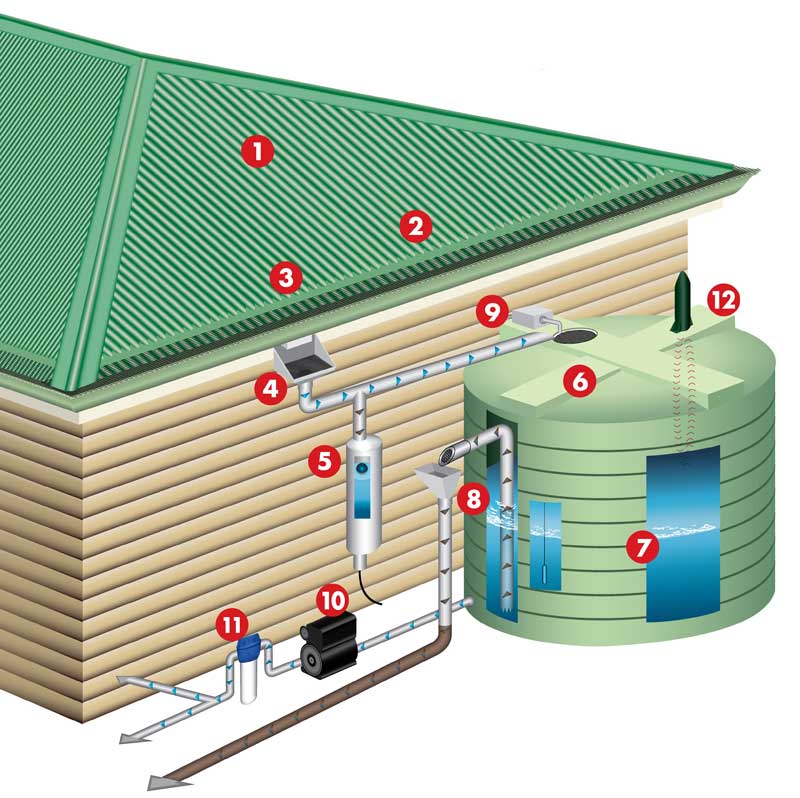
A home rainwater system has several parts. Each part works to collect, clean, and store rainwater.
| Part | Function |
|---|---|
| Catchment Surface | Usually the roof that collects rainwater. |
| Gutters and Downspouts | Direct rainwater from roof to storage tank. |
| Inlet Filter/Screen | Stops leaves, dirt, and bugs from entering. |
| First Flush Diverter | Diverts the first dirty water away from the tank. |
| Storage Tank or Cistern | Holds the collected rainwater safely. |
| Pump and Filtration | Moves water and cleans it for use. |
How to Set Up a Rainwater Harvesting System at Home
Setting up your system is easier than you think. Here are simple steps.
- Check Your Roof: Make sure it is safe for collecting rainwater.
- Install Gutters: Attach gutters to catch rain from roof edges.
- Add Downspouts: Connect gutters to pipes that lead water down.
- Place a Filter: Put a screen to block leaves and dirt.
- Set Up First Flush Diverter: This sends first dirty water away.
- Choose a Storage Tank: Pick a tank size that fits your needs.
- Install Pump and Filter: Clean and move water to your home.
Choosing the Right Storage Tank
Storage tanks come in many types and sizes. You can pick one based on your budget and space.
| Material | Advantages | Disadvantages |
|---|---|---|
| Plastic | Lightweight, easy to install, affordable. | Can degrade over time in sun. |
| Fiberglass | Durable, resists rust and corrosion. | More expensive than plastic. |
| Concrete | Very strong and long lasting. | Heavy and hard to move or install. |
| Metal | Strong and lasts long. | Can rust without proper coating. |
Where to Place the Storage Tank
Put your tank where it is safe and easy to access. It can be above ground or underground. Make sure the ground is flat and strong. Avoid places where water can flood the tank.
Maintaining Your Rainwater Harvesting System
Good care keeps your system working well. Here is how to maintain it:
- Clean gutters and filters regularly.
- Check the tank for cracks or leaks.
- Remove dirt and debris from the tank.
- Inspect the first flush diverter often.
- Test water quality if you use it for drinking.
Uses of Harvested Rainwater at Home
Rainwater can be used in many ways around your home:
- Watering plants and gardens.
- Washing cars and outdoor areas.
- Flushing toilets to save clean water.
- Washing clothes with a rainwater system.
- In some cases, after proper treatment, for drinking.
Benefits of Using a Rainwater Harvesting System
Rainwater systems offer many benefits for your home and environment.
| Benefit | Details |
|---|---|
| Reduce Water Bills | Use less tap water, lower monthly charges. |
| Conserve Water | Save natural water resources for future use. |
| Help Plants Grow | Rainwater is softer and better for soil and plants. |
| Reduce Flooding | Catch rainwater to stop water from flooding streets. |
| Emergency Water Supply | Have water ready when city water stops or is costly. |
Legal Rules About Rainwater Harvesting
Some places have rules on rainwater harvesting. Always check local laws before setting up. In many areas, it is allowed and encouraged. But some regions limit how much rainwater you can collect. Follow rules to avoid fines or problems.
Cost of a Home Rainwater Harvesting System
The cost depends on system size and parts. Small systems can cost a few hundred dollars. Larger systems with big tanks and pumps cost more. Installation fees vary. You can save money by doing some work yourself.
Credit: www.watercache.com
Simple DIY Rainwater Harvesting Ideas
You can start small with easy ideas.
- Use barrels under your gutters to catch water.
- Put a screen on the barrel to keep bugs out.
- Use collected water for your garden or washing.
These simple steps help you start saving water right away.
Frequently Asked Questions
In What States Is It Illegal To Harvest Rainwater?
Harvesting rainwater is illegal or restricted in Colorado and Utah without permits. Most states allow rainwater collection with regulations. Always check local laws before installing a system.
How Long Will Rain Water Stay Fresh?
Rainwater stays fresh for about 3 to 5 days without treatment. Proper filtration and storage extend freshness up to several weeks. Store rainwater in clean, covered containers to prevent contamination and algae growth. Regularly clean tanks for optimal water quality and safety.
Are Rainwater Harvesting Systems Worth It?
Rainwater harvesting systems save water, reduce bills, and support sustainability. They offer long-term environmental and financial benefits for homes.
Conclusion
A rainwater harvesting system is useful and smart. It saves water and money. It helps plants and reduces flooding. Setting one up is easy with the right parts. Keep it clean and check it often. Use rainwater for many home needs. Always follow local rules. Start small or big. Your home and planet will thank you.
Comments
Post a Comment