Many people want to live a more eco-friendly life but feel confused about where to start. Zero waste products are a smart way to reduce trash and help the planet, but beginners often worry these items are expensive or hard to use.
The truth is, you can make simple changes with easy-to-find products that save money and create less waste. This guide will show you how to start with zero waste products, share real examples, and help you avoid common mistakes.
Understanding Zero Waste Products
Zero waste products are items made to reduce trash, limit packaging, and last longer than single-use options. These products often use natural materials or reusable designs. For beginners, picking zero waste products means less garbage at home, fewer trips to buy replacements, and a big positive impact over time.
Some people think zero waste is only for experts, but simple swaps can fit any lifestyle. For example, switching from plastic bags to reusable tote bags cuts hundreds of bags from landfills each year.
Essential Zero Waste Products For Beginners
Starting your zero waste journey is easier when you focus on a few key items. These beginner-friendly products can replace common single-use items.
1. Reusable Water Bottles
Plastic bottles are a big source of waste. A stainless steel or glass reusable water bottle can last for years. According to EarthDay.org, Americans buy about 50 billion plastic bottles each year.
2. Tote Bags For Shopping
Reusable shopping bags are sturdy and easy to carry. They replace plastic bags and are available in cotton, jute, or recycled materials.
3. Beeswax Wraps
Instead of plastic wrap, use beeswax wraps for food storage. They keep food fresh and can be washed and reused.
4. Cloth Napkins
Disposable napkins add up fast. Cloth napkins can be washed and reused, saving money and reducing waste.
5. Stainless Steel Straws
Single-use straws are common in drinks but create lots of plastic waste. A set of stainless steel straws is easy to clean and take anywhere.
6. Bar Soap
Liquid soap often comes in plastic bottles. Bar soap lasts longer, creates less waste, and often uses fewer chemicals.
7. Safety Razors
Plastic razors must be replaced often. Safety razors use metal blades that can be recycled, and the handle lasts for years.
8. Reusable Produce Bags
When shopping for fruits and veggies, use mesh or cotton produce bags. They replace thin plastic bags and are washable.
9. Compost Bin
A countertop compost bin helps you turn food scraps into fertilizer. Instead of tossing peels and leftovers, composting keeps waste out of landfills.
10. Glass Food Containers
Glass containers last longer than plastic and don’t absorb stains or smells. They are perfect for leftovers and meal prep.
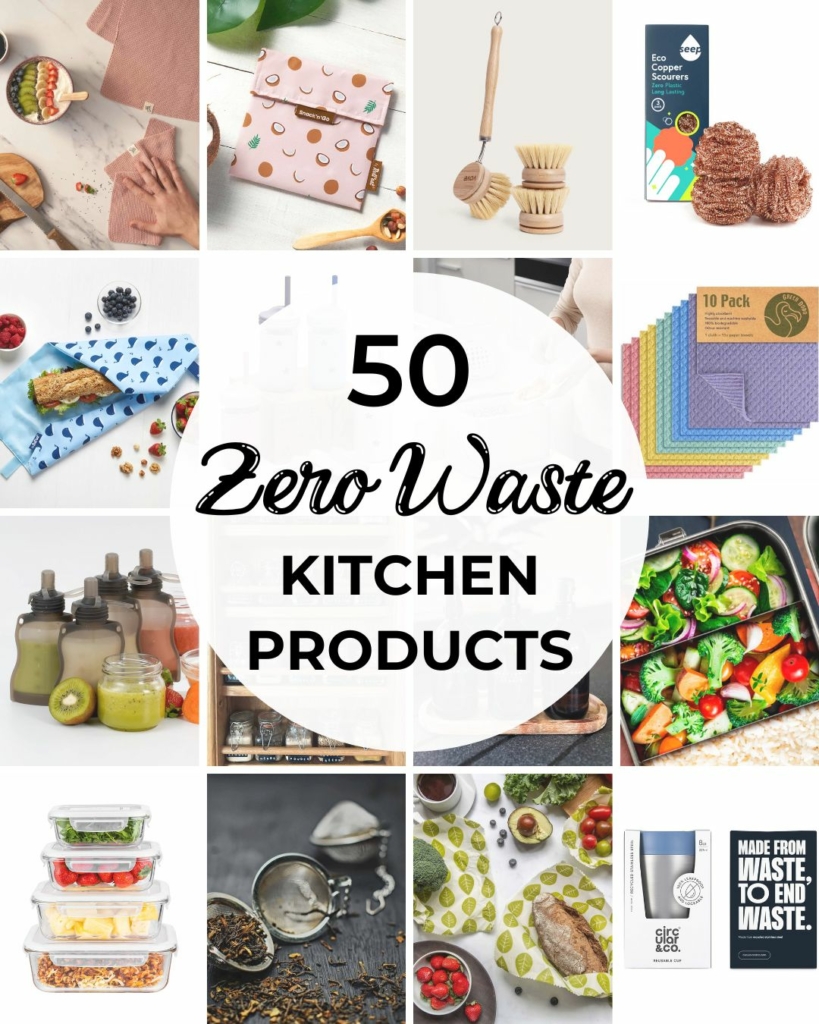
Credit: aveganvisit.com
Comparing Zero Waste Products With Single-use Alternatives
To understand the benefits, see how zero waste products stack up against common disposables.
| Product | Zero Waste Option | Single-Use Option | Average Lifespan |
|---|---|---|---|
| Water Bottle | Stainless Steel | Plastic Bottle | Years vs. Hours |
| Shopping Bag | Cotton Tote | Plastic Bag | Years vs. Minutes |
| Food Wrap | Beeswax Wrap | Plastic Wrap | Months vs. Days |
| Napkin | Cloth Napkin | Paper Napkin | Years vs. Single Use |
Switching to zero waste products saves money, because you buy less often and throw away less. For example, a cotton tote bag can replace hundreds of plastic bags in its lifetime.
How To Choose Zero Waste Products
Choosing the right zero waste products can feel overwhelming. Here’s how to make smart decisions:
1. Check Materials
Pick products made from natural or recycled materials. Avoid plastic whenever possible.
2. Think About Durability
A good zero waste item should last for years. Look for sturdy designs and easy-to-clean surfaces.
3. Consider Your Habits
Start with products you use every day. If you drink water often, a reusable bottle is a great first step.
4. Avoid “greenwashing”
Some brands call their products eco-friendly, but still use lots of packaging or plastic. Look for honest reviews and real certifications.
5. Buy What You Need
Don’t buy every zero waste item at once. Begin with the most common items, then slowly add more.
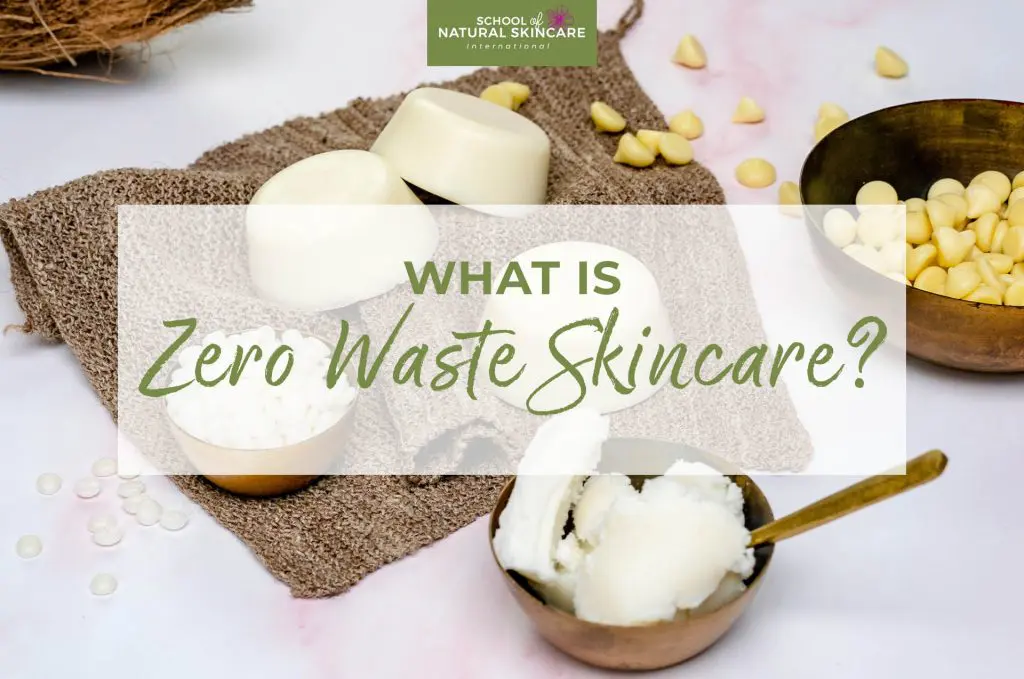
Credit: www.schoolofnaturalskincare.com
Cost And Impact: Are Zero Waste Products Worth It?
Some beginners worry about the price of zero waste products. It’s true, a reusable item can cost more at first, but over time, you save money because you buy less.
| Product | Average Initial Cost | Estimated Yearly Savings |
|---|---|---|
| Reusable Water Bottle | $15–$30 | $100 (no bottled water) |
| Cotton Tote Bag | $5–$15 | $50 (no plastic bags) |
| Beeswax Wraps | $10–$20 | $30 (no plastic wrap) |
| Safety Razor | $20–$40 | $60 (no disposable razors) |
Many people find that after a few months, the savings are clear. Plus, less waste means less clutter and a cleaner home.
Practical Tips For Beginners
Starting with zero waste products is easier if you follow these tips:
- Begin with one or two swaps.
Don’t try to change everything at once. Pick items you use daily.
- Keep products in easy-to-reach places.
For example, store tote bags near your front door.
- Clean and maintain your items.
Wash beeswax wraps with cool water, and clean reusable bottles often.
- Share your progress.
Tell friends and family about your zero waste journey. You may inspire others.
- Track your waste.
Notice how much trash you create before and after using zero waste products.
One insight beginners often miss: zero waste is not about perfection. It’s about progress. Making even small changes is valuable.
Another helpful tip: look for local stores that offer refills or package-free goods. This saves money and reduces packaging.
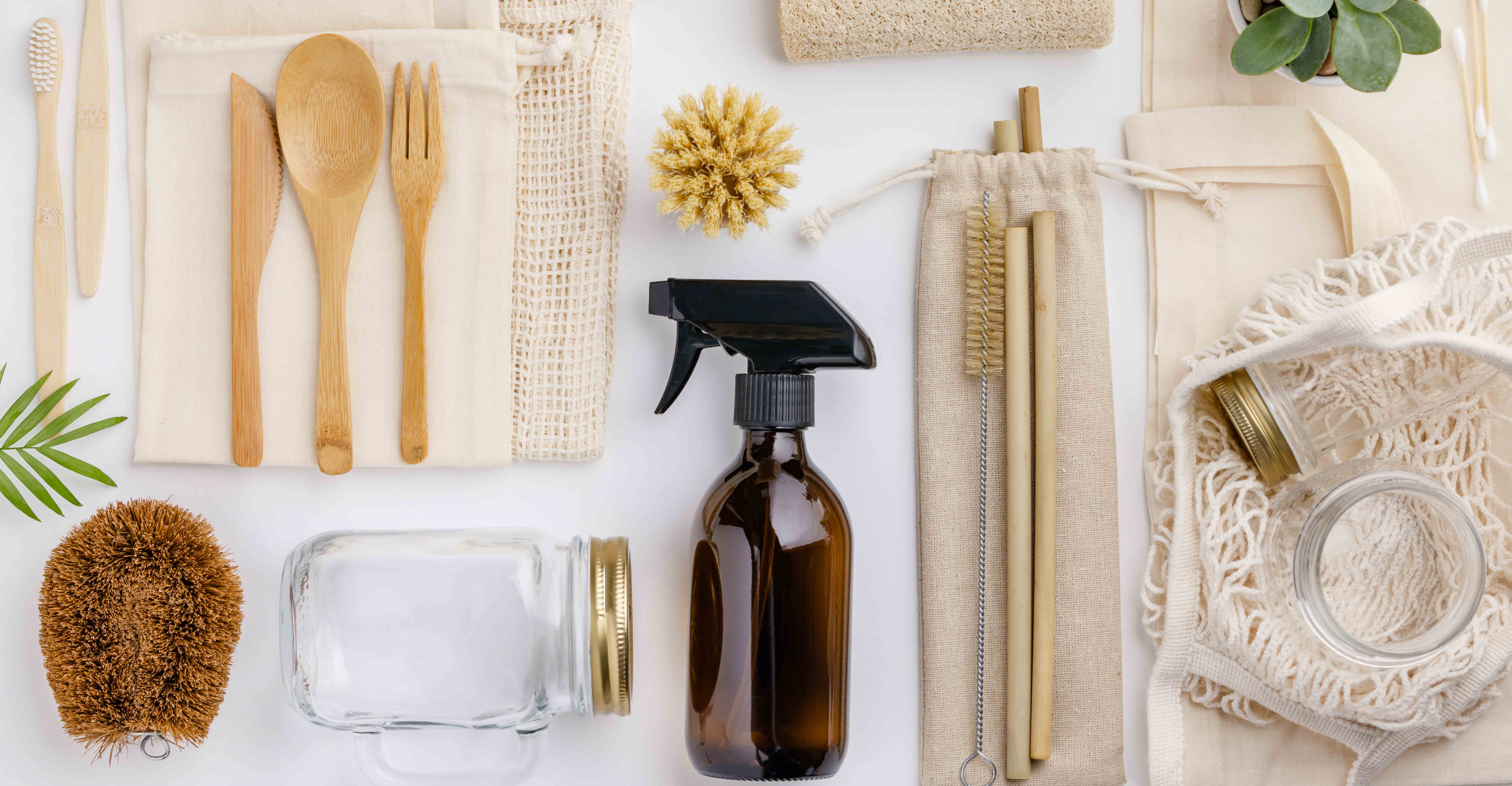
Credit: www.zerowaste.com
Common Mistakes To Avoid
- Buying too many products quickly
Start slow. Test each item before buying more.
- Ignoring maintenance
Some zero waste products need care. For example, beeswax wraps must be washed gently.
- Falling for marketing
Not every “eco-friendly” product is truly zero waste. Research before buying.
Where To Find Zero Waste Products
You can find most zero waste products online, at local markets, or in stores that focus on sustainability. Some websites, like Treehugger, share reviews and tips for buying the best zero waste items.
Frequently Asked Questions
What Is The First Zero Waste Product I Should Buy?
Most beginners start with a reusable water bottle or tote bag. These are affordable, easy to use, and make a big impact.
Are Zero Waste Products More Expensive?
The upfront cost is sometimes higher, but you save money over time because you buy less and reuse more.
Can Zero Waste Products Help Reduce Plastic Pollution?
Yes, items like stainless steel straws and beeswax wraps replace single-use plastics, which keeps trash out of oceans and landfills.
How Do I Clean Zero Waste Products?
Wash reusable bottles and bags with soap and water. Beeswax wraps need cool water and gentle soap. Cloth napkins can go in the laundry.
Is Zero Waste Living Possible For Everyone?
Anyone can make small changes. Zero waste is about progress, not perfection. Even a few swaps help the planet.
Starting with zero waste products is a simple way to reduce trash and help the environment. You don’t need to be perfect or buy everything at once. Choose a few items, use them well, and enjoy a cleaner, greener lifestyle.
Each step you take makes a real difference.
Comments
Post a Comment