Keeping food for a long time can be tricky. We want to store food well. But we also want to be kind to the Earth. This article will help you find smart and eco friendly ways to store food in your pantry. You will learn simple ideas that save food and the planet.
Why Choose Eco Friendly Pantry Storage?
Many people buy plastic containers that break or pollute. They throw them away often. This can hurt nature. But eco friendly storage means using things that last longer. These can be reused many times. They help reduce waste and keep food fresh.
Also, eco friendly storage helps keep your food safe. It stops bugs and moisture. Food can last longer and taste better. You save money because you waste less food and buy less plastic.
Use Glass Jars for Dry Food
Glass jars are a great choice for storing dry food. They are safe and do not change the taste. You can find jars in many sizes. Use them for rice, beans, flour, sugar, and nuts.
- Glass jars keep air out.
- They are easy to clean and reuse.
- You can see what is inside without opening.
Look for jars with tight lids. This stops air and bugs. Using glass jars is better than plastic bags or boxes.
Bamboo Containers and Baskets
Bamboo is a natural material that grows fast. It is very strong and light. Bamboo baskets and containers are great for dry foods like bread, onions, or garlic. They allow air to flow, so food does not get wet or moldy.
Some bamboo containers come with lids. These are good for keeping food safe from dust and insects. Bamboo is easy to clean and looks nice in your pantry.
Cloth Bags and Wrappers
Use cloth bags made from cotton or linen to store dry foods. They are breathable and stop moisture. Cloth bags can hold grains, nuts, or dried herbs.
You can also use beeswax wraps. These wraps are made from cotton cloth coated with beeswax. They keep food fresh and are reusable. Use them to cover bowls or wrap fruits and vegetables.
Metal Containers for Long Term Storage
Metal tins or containers are strong and last a long time. They keep light and air out, which helps food stay fresh. Use metal containers for storing coffee, tea, or spices.
Look for containers made of stainless steel or tin. These materials do not rust easily and are safe for food.
Stackable Containers Save Space
When you store food, space is important. Using stackable containers helps keep your pantry neat. It also makes it easy to find what you need.
Try to choose stackable containers made from eco friendly materials like glass or bamboo. This helps you save space and protect the planet.
Label Your Containers Clearly
Labeling helps you know what is inside each container. It also reminds you when you bought the food. This way, you use the oldest food first and avoid waste.
Use paper labels or chalkboard stickers. These are easy to remove and reuse. Avoid plastic labels that you throw away after one use.
Keep Pantry Dry and Cool
Food lasts longer if stored in a cool and dry place. Heat and moisture can spoil food fast. Keep your pantry away from sunlight and heat sources.
You can place small natural dehumidifiers like silica gel packs or charcoal bags. These help absorb moisture without chemicals.
Buy Food in Bulk and Store Smart
Buying food in bulk saves money and reduces packaging waste. Use large glass jars or metal containers to store bulk food. Make sure the containers are airtight.
Keep bulk food in a cool, dry place. Check food often to make sure it stays fresh.
Use Airtight Lids
Lids that fit tightly on jars and containers keep air and bugs out. This helps food stay fresh longer. Look for lids made of metal, glass, or bamboo. Avoid plastic lids that break easily.
Benefits of Reusable Storage Bags
Reusable storage bags made from silicone or cloth are good for snacks and small foods. They replace single-use plastic bags. These bags are easy to wash and use again many times.
Silicone bags are waterproof and airtight. Cloth bags allow air but protect food from dust.
Organize Your Pantry with Bins and Boxes
Using bins or boxes made of natural materials like wood or woven fibers helps organize your pantry. You can group similar foods together. For example, put baking items in one bin and snacks in another.
Choose bins that are easy to clean and strong. This helps keep your pantry tidy and eco friendly.
:strip_icc()/202205MB_79357-2143e96dec8642b99fe5e6cd3ec7c6a5.jpg)
Credit: www.bhg.com
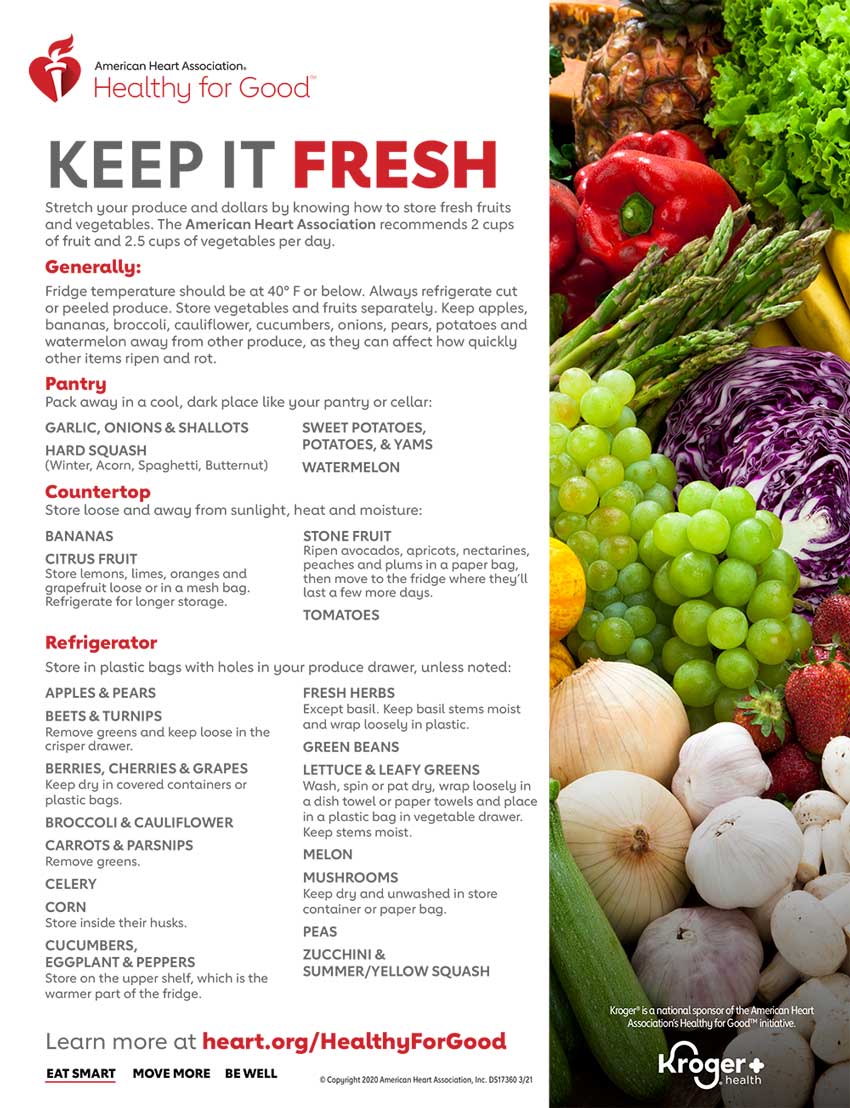
Credit: www.heart.org
Simple Tips to Make Your Pantry More Eco Friendly
| Tip | Why It Helps |
|---|---|
| Use reusable containers | Reduces plastic waste and saves money |
| Buy food in bulk | Less packaging waste and better prices |
| Store food in cool, dry place | Keeps food fresh longer and reduces spoilage |
| Label your food | Helps avoid food waste and keeps things organized |
| Choose natural materials | Better for the environment and lasts longer |
How to Start Your Eco Friendly Pantry
Start small. Pick one or two eco friendly storage ideas. For example, switch plastic bags for glass jars. Or buy a set of bamboo baskets.
Clean out your pantry. Throw away expired food and old plastic containers. Then arrange your food in new containers. Label them clearly.
Keep checking your pantry every few weeks. This helps you stay organized and use food before it goes bad.
Where to Find Eco Friendly Pantry Storage
You can find eco friendly pantry containers in many stores. Places like The Container Store, IKEA, Target, and Home Depot offer good options.
Look for containers made of glass, bamboo, metal, or cloth. Avoid cheap plastic. Choose items that last long and are safe for food.
Buying secondhand containers or jars can also be a good way to save money and reduce waste.
Frequently Asked Questions
What Foods To Stock Up On For Long-term Storage?
Stock up on rice, beans, pasta, canned vegetables, dried fruits, nuts, and powdered milk. Store in airtight, eco-friendly containers.
What Are Some Unique Pantry Storage Ideas?
Use stackable bamboo bins and clear acrylic containers for eco-friendly, stylish pantry storage. Incorporate divided turntable organizers to maximize space. Opt for natural fiber baskets and expanding shelves to keep items visible and accessible. These ideas enhance long-term food preservation and maintain an organized pantry.
How To Preserve Food For 25 Years?
Preserve food for 25 years by using airtight, oxygen-free containers and storing in a cool, dark, dry place. Use vacuum sealing and mylar bags with oxygen absorbers. Freeze-dry or dehydrate food before storage. Regularly check and rotate supplies to maintain freshness and prevent spoilage.
Conclusion
Using eco friendly pantry storage helps both your food and the Earth. It keeps food fresh longer, saves money, and reduces waste.
Simple tools like glass jars, bamboo baskets, cloth bags, and metal tins make a big difference. Organize your pantry with stackable containers and clear labels.
Start today. Make your pantry green and smart.
Comments
Post a Comment