Vegetables are healthy and tasty. But they can go bad fast. Many people use plastic wrap to keep vegetables fresh. But plastic is not good for the environment. It creates a lot of waste. Also, plastic can release tiny particles called microplastics. These are bad for your health.
So, how can you keep vegetables fresh for a long time without using plastic wrap? This article will help you. You will learn easy and smart ways to store vegetables. These ways use simple things you can find at home.
Why Avoid Plastic Wrap?
- Plastic wrap creates a lot of trash.
- It is not good for the earth or animals.
- Plastic can trap moisture and make vegetables rot.
- Plastic wrap can cause food to sweat and spoil faster.
Using other materials helps vegetables stay fresh longer. It also helps the environment.
Best Alternatives to Plastic Wrap
Here are some good materials to use instead of plastic wrap:
| Material | Why It Works | Examples |
|---|---|---|
| Cloth Towels | Breathable and reusable. Keeps moisture balanced. | Tea towels, cotton cloth, flower sack towels |
| Glass Containers | Keep air out and easy to clean. | Mason jars, glass boxes with lids |
| Beeswax Wraps | Natural, reusable, and breathable. | Beeswax-coated cotton cloth |
| Paper Towels | Absorb excess moisture, cheap and easy. | Unbleached paper towels |
| Mesh Produce Bags | Allow air flow, reduce moisture build-up. | Reusable cotton or nylon mesh bags |

Credit: www.youtube.com
How to Store Different Vegetables Without Plastic Wrap
Different vegetables need different care. Here are tips for common vegetables.
Leafy Greens (lettuce, Spinach, Kale)
- Do not wash before storing. Wash only before use.
- Wrap loosely in a dry cloth towel or flower sack towel.
- Place wrapped greens in a glass or ceramic container.
- Store in the fridge crisper drawer.
- Replace the towel if it becomes wet.
Carrots, Celery, And Asparagus
- Wrap in a slightly damp cloth towel to keep them moist.
- Or place the ends in a jar with water like flowers.
- Cover the top with a cloth or beeswax wrap.
- Store in the fridge upright if possible.
Herbs (parsley, Cilantro, Basil)
- Trim the ends of the stems.
- Put herbs in a jar or glass with water like flowers.
- Cover the leaves loosely with a cloth towel.
- Keep in the fridge, except basil, which likes room temperature.
Mushrooms
- Do not wash before storing.
- Wrap mushrooms in paper towels to absorb moisture.
- Place wrapped mushrooms in a paper bag.
- Store in a cool, dark place or fridge.
Potatoes, Onions, And Garlic
- Do not store in the fridge; cold changes their taste.
- Keep in a cool, dark, and dry place.
- Use a paper bag or a basket for air flow.
Tomatoes
- Do not store tomatoes in the fridge unless very ripe.
- Keep them on the counter away from sunlight.
- Use a bowl or open basket to allow air flow.
Extra Tips to Keep Vegetables Fresh Longer
- Do not wash vegetables before storing. Water causes rot.
- Remove any bad or soft parts before storing.
- Keep vegetables dry or slightly damp, as needed.
- Store vegetables in the right place: fridge or room temperature.
- Use cloth bags or wraps that you can wash and reuse.
- Check vegetables every few days and remove spoiling parts.
How to Prepare Reusable Cloth Wraps
You can make your own reusable vegetable wraps easily.
- Get 100% cotton cloth, like an old t-shirt or tea towel.
- Cut the cloth into pieces big enough to wrap veggies.
- Optionally, coat the cloth with beeswax for better sealing.
- To use, wrap the vegetable and secure with a string or elastic.
- Wash cloth wraps gently and air dry after use.
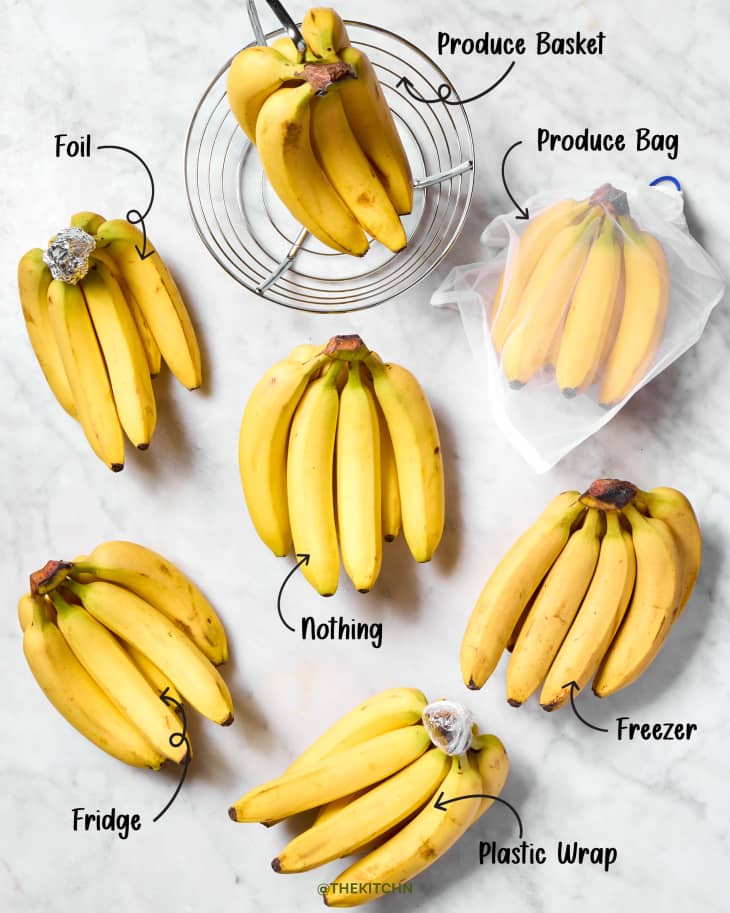
Credit: www.thekitchn.com
Benefits of Avoiding Plastic Wrap
- Less plastic waste in the environment.
- Vegetables stay fresh longer with good air flow.
- You save money by reusing cloth and jars.
- Better taste and texture of vegetables.
- Less chance of chemicals from plastic touching food.
Summary: How to Keep Vegetables Fresh Without Plastic
Use cloth towels, glass containers, or beeswax wraps.
Store vegetables in the right place and keep them dry or moist.
Wrap leafy greens loosely and keep herbs in water jars.
Keep potatoes and onions in cool, dark places.
Check your vegetables regularly and remove bad parts fast.
By using these simple steps, you help your health and the planet.
Try them today and enjoy fresh vegetables longer.
Comments
Post a Comment