Living in a small apartment can be tough. Especially when your pantry space is tiny. But organizing your pantry well can make a big difference. You do not need to spend a lot of money. Just some simple tips and ideas can help you get the job done.
Why Organize Your Tiny Pantry?
A messy pantry makes it hard to find things. It can cause you to buy food you already have. This wastes money and space. When you organize your pantry, you can:
- See all your food clearly
- Save money by avoiding extra buys
- Make cooking faster and easier
- Keep your food fresh longer
Even if your pantry is very small, these tips will help.
Step 1: Clean and Empty Your Pantry
First, take everything out of your pantry. Yes, everything! This gives you a fresh start. Wipe down shelves with a damp cloth. Remove crumbs and dust. Let the shelves dry before putting anything back.
Step 2: Sort Your Food Items
Group your food by type. Here are some easy groups:
- Baking supplies (flour, sugar, baking soda)
- Breakfast items (cereal, oatmeal, pancake mix)
- Snacks (chips, nuts, granola bars)
- Canned goods (soups, beans, vegetables)
- Spices and seasonings
- Pasta, rice, and grains
When items are sorted, you can find what you need fast.
Step 3: Use Clear Containers for Visibility
Clear containers help you see food quickly. You do not need to buy new ones. Use containers from old food packages or jars you have at home. Here are ideas:
- Reuse glass jars for nuts and spices
- Use plastic containers for cereal or snacks
- Use small baskets or bins for packets or small items
Clear containers also keep food fresh and neat.
Step 4: Use Vertical Space Wisely
Small pantries often have high shelves. Use that space! Place less used items on top shelves. Use stackable bins or boxes to save room. You can also add shelf risers to double your space.
Here are some budget-friendly ideas:
- Use plastic or wire racks from dollar stores
- Create DIY risers with sturdy cardboard boxes wrapped in paper
- Stack canned goods carefully to save space
Step 5: Use the Back of the Door
The pantry door is often unused space. Add hooks or small shelves on the door. This can hold small jars, spice racks, or packets. You can buy over-the-door racks cheaply or make your own.
Ideas for door storage:
- Attach small wire baskets with adhesive strips
- Hang spice racks with hooks
- Use a shoe organizer to hold snacks or utensils
Step 6: Label Everything
Labels help you find items fast. You can write on tape or sticky notes. Or print simple labels at home. Label jars, bins, and shelves. This keeps your pantry neat over time.
Benefits of labeling:
- Easy to know what is inside containers
- Helps everyone in the house put things back right
- Reduces waste by knowing what you have
Step 7: Make Zones in Your Pantry
Create different zones for types of food. For example:
| Zone | Items |
|---|---|
| Baking | Flour, sugar, baking powder, chocolate chips |
| Breakfast | Cereal, oatmeal, pancake mix, syrup |
| Snacks | Chips, nuts, granola bars, dried fruit |
| Canned Goods | Soups, beans, vegetables, tuna |
| Spices | Salt, pepper, herbs, seasoning mixes |
Zones help you keep like items together. This makes your pantry easier to use.

Credit: www.youtube.com
Step 8: Use Affordable Storage Solutions
You do not need to buy expensive containers. Here are low-cost ideas:
- Dollar store bins and baskets
- Repurposed jars and containers
- Cardboard boxes wrapped in pretty paper
- Plastic shoe boxes for small items
Be creative! Look around your home for things to reuse.
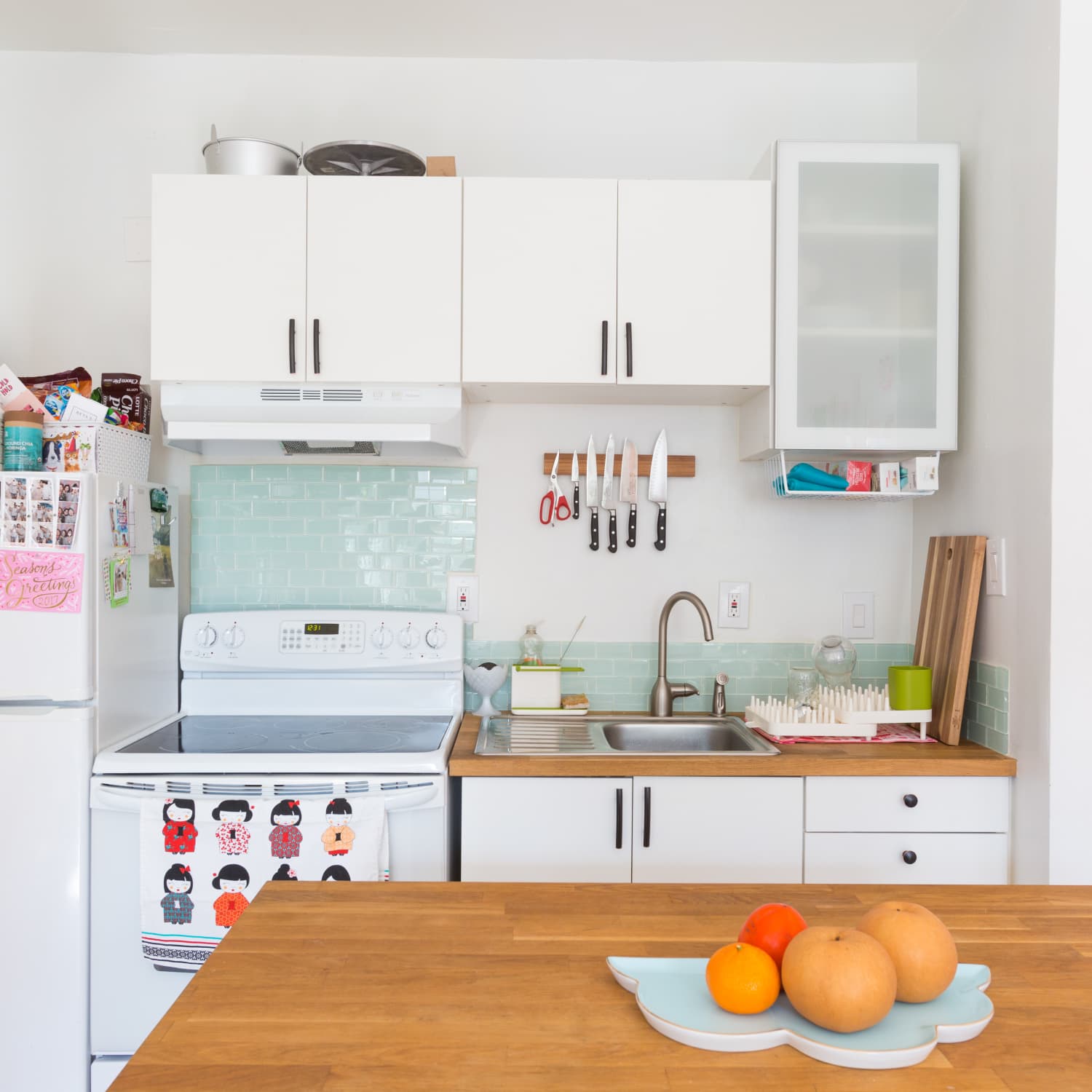
Credit: www.thekitchn.com
Step 9: Keep It Clean and Tidy
Once your pantry is organized, keep it that way. Check it weekly. Throw away expired food. Put things back in their place. This will keep your pantry neat and useful.
Extra Tips for Tiny Pantries
- Use Lazy Susans: Turntables help you reach items in the back.
- Stack Cans: Use can stackers or make your own with cardboard.
- Use Slim Storage Carts: These fit between fridge and wall.
- Use Magnetic Strips: Store metal spice jars or tools on the wall.
Summary of Budget-Friendly Pantry Organization
| Step | What to Do | Budget Idea |
|---|---|---|
| 1 | Clean and empty pantry | Use household cleaning supplies |
| 2 | Sort items by category | No cost |
| 3 | Use clear containers | Reuse jars and boxes |
| 4 | Use vertical space | DIY risers or dollar store racks |
| 5 | Use back of door | Over-the-door racks or DIY baskets |
| 6 | Label shelves and containers | Use tape and markers |
| 7 | Create zones | No cost |
| 8 | Use affordable storage | Dollar store bins, repurposed containers |
| 9 | Keep pantry clean | No cost |
Final Thoughts
Organizing a tiny pantry does not need to cost much. With some cleaning, sorting, and smart storage, you can use every inch. Use what you have at home. Be creative with space and containers. Small changes make a big difference.
Your pantry will be easier to use. You will save money and time. Start today with these simple steps. Enjoy your neat and tidy pantry!
Comments
Post a Comment