Saving energy at home is important. It helps you pay less for electricity. It also helps the environment. Many devices can help you save energy easily. This article will explain the best devices for your home.
Why Save Energy at Home?
Electricity costs keep rising. Using less energy means lower bills. Also, saving energy reduces pollution. It helps fight climate change. Small changes and devices make a big difference.

Credit: www.aqara.com
Top Energy Saving Devices for Your Home
Some devices save more energy than others. Here are the best ones to consider.
1. Led Light Bulbs
LED bulbs use much less energy than old bulbs. They last longer too. You can replace all bulbs in your home with LEDs. They work well in every room.
- Use up to 80% less energy than regular bulbs.
- Last up to 25 times longer.
- Provide bright, warm light.
2. Smart Power Strips
Many devices use power even when off. This is called "vampire power." Smart power strips stop this waste. They turn off power to devices not in use.
- Great for TVs, computers, and game consoles.
- Save energy by cutting power to idle devices.
- Some can be controlled by apps.
3. Smart Thermostats
Heating and cooling use most energy at home. Smart thermostats help control this use. They learn your schedule and adjust temperature automatically.
- Lower heating and cooling costs.
- Control from your phone.
- Save energy by avoiding waste.
4. Energy Monitors
Energy monitors show you how much power you use. They help find wasteful appliances. You can then change habits or replace devices.
- Track electricity use in real time.
- Identify high energy devices.
- Plan better energy use.
5. Low-flow Faucets And Shower Heads
Water heating uses energy too. Low-flow faucets and shower heads reduce water use. This lowers the energy needed to heat water.
- Use less water per minute.
- Save energy on heating water.
- Keep water pressure good.
6. Solar Energy Systems
Solar panels turn sunlight into electricity. They lower your electric bills a lot. The system cost is high but saves money long term.
- Generate free electricity from the sun.
- Reduce dependence on the grid.
- Help the environment by using clean energy.
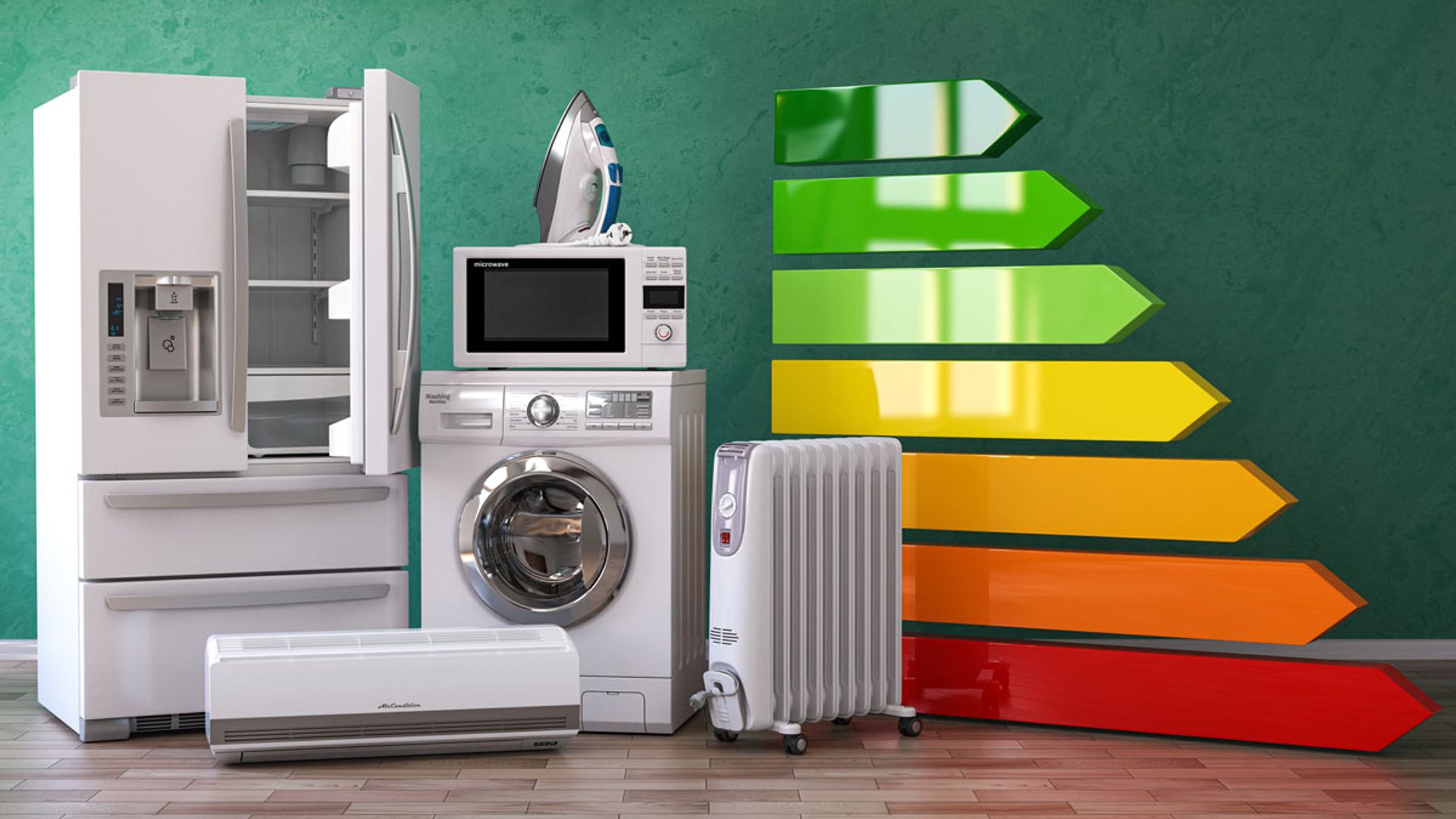
7. Energy-efficient Appliances
Look for Energy Star certified appliances. They use less electricity than older models. Examples include refrigerators, washers, and dryers.
- Use less energy to do the same job.
- Save money over time.
- Better for the environment.
Devices to Be Careful About
Some devices claim to save energy but offer little help. Examples include plug-in power savers that claim to stabilize voltage. Many experts say these do not work well. It is better to use proven devices like smart power strips and monitors.
Credit: www.hellomagazine.com
How to Choose the Right Device
Think about your home and habits. If you use a lot of lights, switch to LED bulbs first. If you spend money on heating and cooling, get a smart thermostat. For many electronics, smart power strips help the most.
| Device | Main Benefit | Cost Range | Ease of Use |
|---|---|---|---|
| LED Light Bulbs | Save energy on lighting | $2 - $10 per bulb | Very easy |
| Smart Power Strips | Stop wasted power from idle devices | $15 - $50 | Easy |
| Smart Thermostats | Lower heating and cooling costs | $100 - $250 | Moderate |
| Energy Monitors | Track electricity use | $50 - $200 | Moderate |
| Low-Flow Faucets & Shower Heads | Save water and heating energy | $10 - $50 | Easy |
| Solar Energy Systems | Generate clean electricity | $5,000 - $20,000 | Complex (professional install) |
| Energy-Efficient Appliances | Use less energy for daily tasks | $300 - $2,000+ | Easy (replace old appliances) |
Simple Tips to Use Along with Devices
Devices help a lot. But your habits matter too. Follow these easy tips:
- Turn off lights when you leave a room.
- Unplug chargers and devices not in use.
- Use natural light during daytime.
- Close doors and windows when heating or cooling.
- Wash clothes in cold water.
Summary
Energy saving devices can reduce your electric bills. They also help the planet. The best devices are LED bulbs, smart power strips, and smart thermostats. Energy monitors help you find waste. Low-flow water devices save on heating energy. Solar panels give clean, free electricity. Choose devices that fit your needs and budget. Remember to also change your habits. Together, devices and habits create big savings.
Start with simple changes today. Your home and wallet will thank you.
Frequently Asked Questions
What Are The Best Electricity Saving Devices?
The best electricity-saving devices include smart thermostats, LED bulbs, smart power strips, energy monitors, and low-flow water fixtures. These devices reduce consumption effectively and lower electric bills. Avoid unproven plug-in "power savers" as they offer minimal savings. Use Energy Star appliances for optimal efficiency.
Do Energy Saver Devices Really Work?
Energy saver devices vary in effectiveness. Smart power strips, LED bulbs, and smart thermostats truly reduce bills. Plug-in “power savers” often offer minimal or no real savings. Prioritize energy-efficient appliances and behavioral changes for the best results in lowering electricity costs.
Which Appliance Is A Real Energy Drainer?
The biggest energy drainer is space heating and cooling systems, including furnaces, heat pumps, and air conditioners. These run long hours at high power.
Comments
Post a Comment