Saving energy at home is important. It helps lower your electric bill. It also helps the environment. One easy way to save energy is by using LED lights.
LED lights use less power than regular bulbs. They last longer too. This means you do not need to buy bulbs often. In this article, you will learn about the best LED lights for your home.
Why Choose LED Lights?
- Energy Efficient: LED lights use up to 80% less energy.
- Long Life: They can last 15 to 25 times longer than regular bulbs.
- Less Heat: LEDs give off very little heat, so they are safer.
- Good Quality Light: LEDs provide bright and clear light.
- Environment Friendly: They have no mercury and create less waste.
Types of LED Lights for Home Use
There are many types of LED lights. Each type fits different uses at home.
| Type | Use | Energy Saving | Price Range (USD) |
|---|---|---|---|
| LED Bulbs (A19) | Rooms, lamps, and fixtures | High | $10 - $25 |
| LED Strip Lights | Decorative lighting, under cabinets | Medium | $20 - $80 |
| Smart LED Lights | Control with phone or voice | High | $30 - $100 |
| Vintage Edison LED | Decor and mood lighting | Medium | $15 - $25 |
| Flood LED Lights | Outdoor security and garden lighting | High | $20 - $60 |
How to Choose the Best LED Lights
Choosing LED lights can be easy. Think about these points:
- Brightness: Check the lumens, not watts. Higher lumens mean brighter light.
- Color Temperature: Warm white feels cozy. Cool white is bright and clear.
- Size and Shape: Make sure the bulb fits your lamp or fixture.
- Energy Star Label: Look for Energy Star for good quality and savings.
- Dimmability: If you want to control light levels, pick dimmable LEDs.
- Price: Compare prices but don’t forget quality.
Popular LED Light Brands for Energy Saving
Many brands make good LED lights. Here are some popular ones found in stores like Home Depot, Lowe’s, and Walmart:
- Philips Hue: Offers smart LED kits. Good for home automation.
- Feit Electric: Known for vintage style and efficient bulbs.
- EcoSmart: Budget-friendly and Energy Star rated.
- Hampton Bay: Reliable LEDs found in many homes.
- Govee: Best for colorful LED strip lights.
Tips to Save More Energy with LED Lights
Using LED lights is a great start. You can save even more energy by:
- Turning off lights when not in use.
- Using motion sensors or timers for outdoor lights.
- Cleaning light fixtures regularly to keep them bright.
- Using smart bulbs to control light remotely.
- Choosing the right brightness for each room.

Credit: www.amazon.com
Examples of Energy Savings
Let’s see how much you can save with LED lights:
| Light Type | Old Bulb Wattage | LED Wattage | Annual Energy Cost (Old Bulb) | Annual Energy Cost (LED) | Estimated Savings |
|---|---|---|---|---|---|
| 60 Watt Incandescent | 60 W | 9 W | $10 | $1.50 | $8.50 |
| 75 Watt Halogen | 75 W | 11 W | $13 | $1.90 | $11.10 |
| 100 Watt Incandescent | 100 W | 14 W | $17 | $2.20 | $14.80 |
Note: Savings are based on 3 hours of use per day and $0.12 per kWh.
Where to Buy Energy-Saving LED Lights
You can find LED lights at many stores. Some popular stores include:
- Home Depot: Wide variety with free delivery options.
- Lowe’s: Good selection of smart and regular LEDs.
- Walmart: Budget-friendly options for basic needs.
- Best Buy: Smart lighting and tech-friendly bulbs.
- Ace Hardware: Local stores with helpful staff.
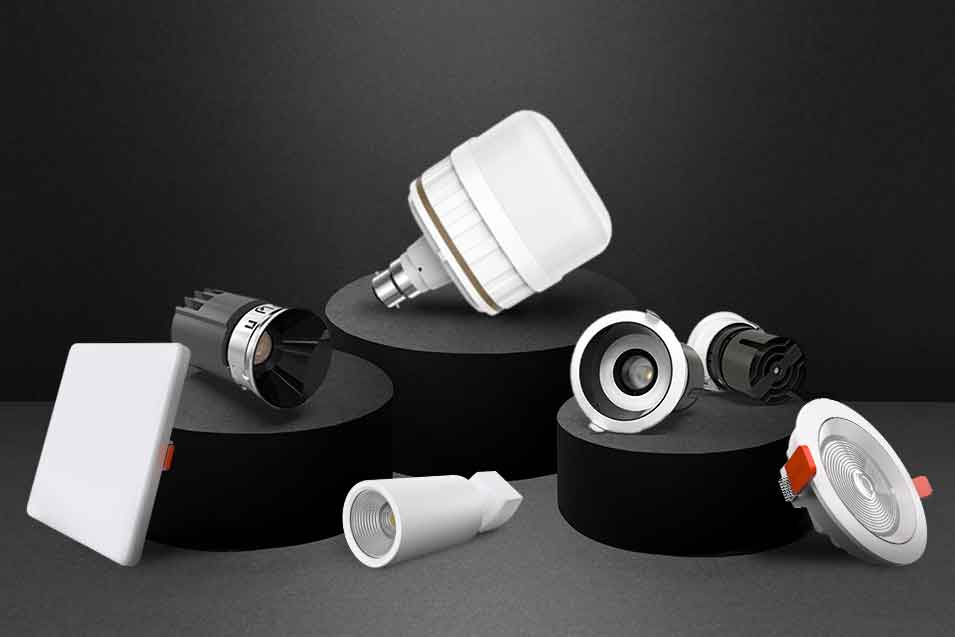
Credit: www.goldmedalindia.com
Frequently Asked Questions
What Are The Best Led Lights To Save Energy?
The best LED lights to save energy include Philips UltraEfficient, EcoSmart, and Feit Electric bulbs. They use less power and last longer. Choose LED bulbs with ENERGY STAR certification for maximum efficiency and cost savings.
Do Led Lights Make The Electric Bill Go Up?
LED lights consume significantly less energy than traditional bulbs, so they usually lower your electric bill. Using LED lighting helps save electricity and reduces overall costs effectively.
What Energy Saving Light Has 50000 Hours Life Span?
The Philips Ultra Efficient LED light bulb offers a 50,000-hour lifespan. It saves energy and lasts longer than traditional bulbs. This LED light reduces electricity bills and provides bright, reliable illumination for home use. Choose it for durable, energy-saving lighting solutions.
Conclusion
LED lights save energy and money. They last long and give good light. Choose the right type for your home. Look for Energy Star labels. Use smart controls if you want more convenience. Buy from trusted stores for the best options.
Start switching to LED lights today. It is a simple step. It helps your wallet and the planet.
Comments
Post a Comment