Many people want a clean home, but not everyone thinks about the impact of cleaning products on the environment. Traditional cleaners often contain harsh chemicals that can harm your health and the planet. As more people care about eco-friendly living, eco friendly cleaning products for home are now in high demand. These products help reduce pollution, keep your home safe, and often work just as well as conventional cleaners.
Switching to green cleaning can feel confusing at first. There are many brands, types, and labels. Is “natural” always better? Are homemade cleaners safe? Let’s break down what really matters, and help you choose the best options for a healthy, green home.
Why Eco Friendly Cleaning Products Matter
Many standard cleaning products use chemicals like ammonia, chlorine, and synthetic fragrances. These can cause skin irritation, breathing problems, and even long-term health issues. When washed away, they enter rivers and lakes, hurting fish and plants.
Eco friendly products avoid these risks. They use plant-based ingredients, avoid toxic chemicals, and often come in recyclable or biodegradable packaging. For families with small children or pets, green cleaners reduce the chance of accidental poisoning.
Some studies show indoor air pollution can be two to five times higher than outside, mainly because of cleaning sprays and scented products. By switching to eco options, you protect both your indoor air and the wider environment.
Key Features Of Eco Friendly Cleaning Products
Not all products that say “green” or “natural” are equal. Some use “greenwashing” — making a product sound eco-friendly when it’s not. Here’s what to look for:
- Biodegradable ingredients: Break down quickly, causing less pollution.
- No phosphates, chlorine, or artificial dyes: These are harsh on both people and nature.
- Plant-based surfactants: Clean well without dangerous chemicals.
- Recyclable or refillable packaging: Less plastic waste.
- Third-party certifications: Look for labels like EcoLogo, EPA Safer Choice, or Ecolabel.
A common beginner mistake is trusting only the front label. Always read the ingredient list and check for certifications.
Credit: www.nbcnews.com
Popular Types Of Eco Friendly Cleaning Products
You can find an eco-friendly alternative for almost any cleaning need. Here’s a look at common types and how they compare.
| Product Type | Eco Alternative | Main Benefit |
|---|---|---|
| All-purpose spray | Plant-based cleaner | Safe for surfaces and air |
| Laundry detergent | Biodegradable formula | Gentle on skin, water-safe |
| Dish soap | Fragrance-free, plant oils | Less residue, non-toxic |
| Glass cleaner | Vinegar or citric acid | Streak-free, no fumes |
| Bathroom cleaner | Enzyme-based | Breaks down stains safely |
Top Eco Friendly Cleaning Brands
Certain brands have built strong reputations for safety and effectiveness. Here are a few:
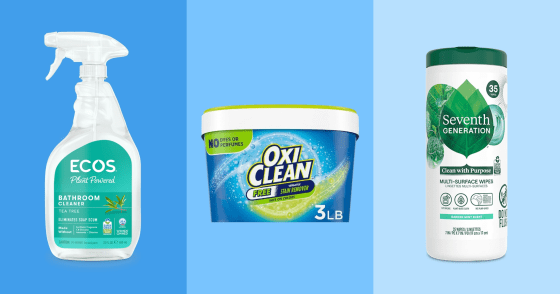
- Seventh Generation: Their cleaners use plant-based ingredients, and packaging is often recycled.
- Ecover: Known for eco-friendly dish soap and laundry products.
- Method: Stylish bottles, biodegradable formulas, and cruelty-free.
- Dr. Bronner’s: Multi-use soaps made from organic oils.
- Biokleen: Strong cleaning power without harsh chemicals.
Always check if products are available in your country, as not all brands are sold worldwide.

Credit: sofl.cooperatornews.com
Diy Eco Friendly Cleaning Solutions
Making your own cleaners can save money and reduce waste. Simple ingredients often work just as well as store-bought products.
Basic Diy Recipes
- All-purpose spray: Mix 1 cup white vinegar, 1 cup water, and a few drops of lemon essential oil. Great for counters and glass.
- Scrubbing paste: Combine baking soda and a little water for sinks and tubs.
- Floor cleaner: Mix 2 tablespoons of castile soap in 1 gallon of warm water.
What Beginners Often Miss
- Don’t mix bleach and vinegar: This creates toxic gas. Even in eco recipes, never mix unknown chemicals.
- Test surfaces first: Some natural acids (like vinegar) can damage marble or granite.
Comparing Eco Friendly Vs. Regular Cleaning Products
Are green products as effective as traditional ones? Many people worry eco cleaners won’t work as well. Here’s a comparison:
| Aspect | Eco Friendly | Traditional |
|---|---|---|
| Ingredients | Plant-based, biodegradable | Synthetic, may be toxic |
| Health risk | Low | Medium to high |
| Cleaning power | Good, but may need more effort | Very strong, sometimes overkill |
| Environmental impact | Low | High |
| Cost | Similar or slightly higher | Varies widely |
Credit: www.americastestkitchen.com
Practical Tips For Greener Cleaning
- Buy in bulk to reduce packaging waste.
- Use microfiber cloths instead of paper towels—they clean better and last longer.
- Choose concentrated formulas; just add water at home.
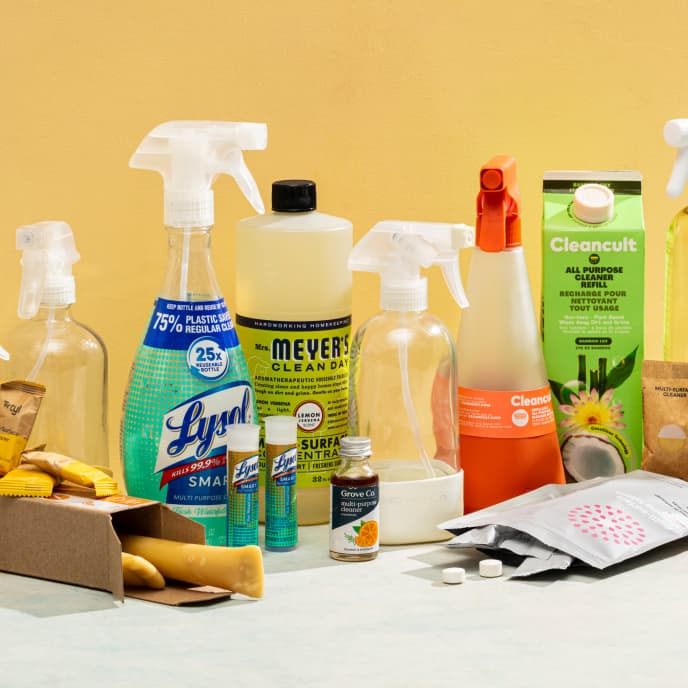
- Avoid unnecessary products. One all-purpose cleaner can often replace several specialized bottles.
- Store homemade solutions in reused spray bottles, but always label them clearly.
A common mistake is switching products but keeping old habits—like using too much product or rinsing everything with lots of water. Eco cleaning is about smart habits as much as smart products.
How To Read Eco Labels
Some countries have strict standards for eco labeling, others do not. Reliable certifications include:
- EPA Safer Choice
- EcoLogo
- EU Ecolabel
If a product only says “natural” or “earth friendly,” that’s not enough. Look for these real certifications, or check if the company shares full ingredient lists on their website.
For deeper details, you can read more about eco labels at the EPA Safer Choice site.
Frequently Asked Questions
What Are The Benefits Of Eco Friendly Cleaning Products?
They reduce indoor air pollution, protect your health, and are safer for children and pets. They also help lower environmental damage, like water pollution and plastic waste.
Are Homemade Cleaning Products Safe To Use?
Most homemade recipes are safe if you follow instructions and use common household items like baking soda and vinegar. Avoid mixing unknown chemicals, and always test on a small area first.
Do Eco Friendly Cleaners Kill Germs And Viruses?
Many eco products clean well, but not all disinfect. For killing strong germs, look for plant-based disinfectants with hydrogen peroxide or alcohol. Regular cleaning removes most germs by washing them away.
Can I Use Eco Cleaning Products On All Surfaces?
Most green products are safe for many surfaces, but always check the label. Avoid vinegar or lemon-based products on natural stone like marble, as acids can damage them.
Are Eco Friendly Cleaners More Expensive?
Sometimes they cost a bit more, but prices are falling as demand grows. DIY cleaners are usually cheaper than store-bought options.
Choosing eco friendly cleaning products for home is a smart step for your health and the planet. With so many good options available, it’s easier than ever to clean green without losing cleaning power or convenience. Try one new eco product at a time and see the difference in your home.
Comments
Post a Comment