Every small step toward a greener planet matters. Many people want to help the environment, but don’t know where to start. The good news is, you don’t need to make huge changes right away. Simply switching your daily items to more eco friendly options can make a big impact over time. This article will guide you through the best eco friendly daily use items, why they matter, and how to choose them wisely.
Why Eco Friendly Daily Use Items Matter
Each year, the average person throws away over 1,600 pounds of trash. Much of this comes from single-use products. Eco friendly items are designed to reduce waste, save energy, and help the planet by using sustainable materials or lasting much longer than regular products. Even small choices—like a reusable bag—can keep hundreds of plastic bags out of landfills.
Top Eco Friendly Daily Use Items
Here are some of the most effective and practical eco friendly items you can use every day.
1. Reusable Water Bottles
Plastic bottles take hundreds of years to break down. Switching to a stainless steel or glass water bottle reduces plastic waste and can save you money. Many brands now offer bottles that keep drinks cold or hot for hours, making them practical for all seasons.
2. Cloth Shopping Bags
One reusable bag can replace over 700 plastic bags in its lifetime. They are stronger, washable, and often fold up small to fit in your purse or pocket.
3. Bamboo Toothbrushes
Billions of plastic toothbrushes are thrown away each year. Bamboo toothbrushes are made from fast-growing, biodegradable bamboo and work just as well as regular ones.
4. Reusable Coffee Cups
If you drink coffee daily, a reusable cup can prevent hundreds of disposable cups from ending up in the trash. Many coffee shops even give discounts to customers who bring their own cups.
5. Beeswax Food Wraps
Instead of using plastic wrap, try beeswax wraps. They are made from cotton infused with beeswax and can be reused for up to a year. They keep food fresh and are easy to clean.
6. Stainless Steel Straws
Plastic straws are among the top ten items found during beach clean-ups. A stainless steel straw is reusable, easy to clean, and often comes with a carrying case.
7. Compostable Trash Bags
Regular trash bags do not break down in landfills. Compostable bags are made from plant materials and break down much faster.
8. Solar-powered Chargers
Charging devices with solar power reduces energy use. A solar charger is great for phones, tablets, and even small lights, especially when you’re traveling or camping.
9. Organic Cotton Towels
Conventional cotton uses a lot of water and chemicals. Organic cotton towels are softer, last longer, and have less impact on the planet.
10. Bar Soap
Liquid soap often comes in plastic bottles. Bar soap usually has less packaging and lasts longer. Many brands offer natural ingredients with no chemicals.
11. Led Light Bulbs
LED bulbs use up to 80% less energy than traditional bulbs and last much longer. This simple switch can lower your electricity bill and carbon footprint.
12. Refillable Cleaning Bottles
Many companies now sell cleaning products in concentrated form. You can buy one refillable bottle and just add the concentrate and water, cutting down on plastic.
13. Eco Friendly Notebooks
Look for notebooks made from recycled paper or bamboo. Some brands even use stone paper, which uses no water or trees.
14. Wool Dryer Balls
Skip disposable dryer sheets and use wool dryer balls. They last for years, soften clothes naturally, and reduce drying time.
15. Reusable Produce Bags
When buying fruits and veggies, use mesh produce bags instead of plastic. They are light, washable, and keep produce fresh.
16. Biodegradable Sponges
Synthetic sponges break down into microplastics. Biodegradable sponges are made from plants and are compostable after use.
17. Recycled Toilet Paper
Regular toilet paper uses virgin trees. Recycled toilet paper saves forests and often comes in plastic-free packaging.
18. Energy-efficient Showerheads
A good showerhead can save water and energy. Some models reduce water use by up to 50% without lowering pressure.
19. Sustainable Razors
Disposable razors create a lot of waste. Safety razors have a metal handle and only require a small steel blade replacement, which is recyclable.
20. Reusable Food Storage Containers
Switch from single-use plastic to glass or stainless steel containers. They last longer, don’t stain, and are better for your health.
Credit: www.gardencity-ga.gov
Comparing Popular Eco Friendly Items
Let’s compare three top daily items to help you see the benefits more clearly.
| Item | Average Lifespan | Waste Reduced |
|---|---|---|
| Reusable Bottle | 5+ years | ~1,000 plastic bottles |
| Cloth Shopping Bag | 3+ years | ~700 plastic bags |
| Bamboo Toothbrush | 3 months | 100% compostable handle |
What To Look For In Eco Friendly Products
Not all “green” products are truly eco friendly. Here are smart ways to choose the best items:
- Check for certified eco labels like FSC, Fair Trade, or USDA Organic.
- Choose items made from recycled or renewable materials.
- Look for durability—longer lasting products create less waste.
- Avoid greenwashing. Some products claim to be “eco” but are not much better than regular versions.
Many beginners miss that even eco friendly items need to be used often to make a real difference. For example, using a reusable cup once a week won’t help much. The more you use these items, the more impact you create.
Surprising Everyday Swaps
Some eco friendly swaps are not obvious. For example, switching from paper napkins to cloth napkins can save thousands of napkins per person each year. Using a bamboo hairbrush instead of plastic also reduces microplastics in the environment.
Here’s a quick comparison of common swaps:
| Conventional Item | Eco Friendly Swap | Environmental Benefit |
|---|---|---|
| Paper Napkin | Cloth Napkin | Less waste, reusable |
| Plastic Wrap | Beeswax Wrap | Compostable, reusable |
| Plastic Razor | Safety Razor | Less plastic, recyclable |
Common Mistakes When Choosing Eco Friendly Items
- Buying too much – It’s better to use what you have until it wears out, then switch to eco friendly options.
- Ignoring packaging – Some green products come in plastic; try to pick items with minimal or compostable packaging.
- Falling for buzzwords – Words like “natural” or “green” are not regulated. Always check for real certifications.
Beginners often forget that their habits matter as much as the products they choose. For example, using a reusable bag only once, or leaving your water bottle at home, limits the positive impact.

Credit: www.dreamstime.com
Where To Find Reliable Eco Friendly Products
You can find many eco friendly products at local supermarkets, online stores, and eco-focused shops. Always read reviews and check for certifications before buying. For more information, you can visit EPA's Sustainable Materials Management.
Frequently Asked Questions
What Makes An Item Eco Friendly?
An eco friendly item is made from sustainable materials, uses less energy or water, and creates less waste compared to regular products. It should last longer or break down safely in nature.
How Do Reusable Items Help The Environment?
Reusable items reduce the need for single-use plastics, save resources, and cut down on landfill waste. Over time, they also save you money.
Is It More Expensive To Buy Eco Friendly Products?
Some eco friendly products cost more at first, but they last longer and save money in the long run. For example, a reusable water bottle pays for itself after a few months.
Can I Recycle All Eco Friendly Items?
Not always. Some items, like compostable sponges or bamboo toothbrush handles, need to go in a compost bin. Always check local recycling rules.
Are There Any Eco Friendly Items For Kids?
Yes! Bamboo baby utensils, organic cotton clothes, and reusable snack bags are great eco friendly choices for children.
Switching to eco friendly daily use items doesn’t have to be overwhelming. Start with one or two changes, and soon you’ll make a lasting difference for the planet—without sacrificing convenience or comfort.
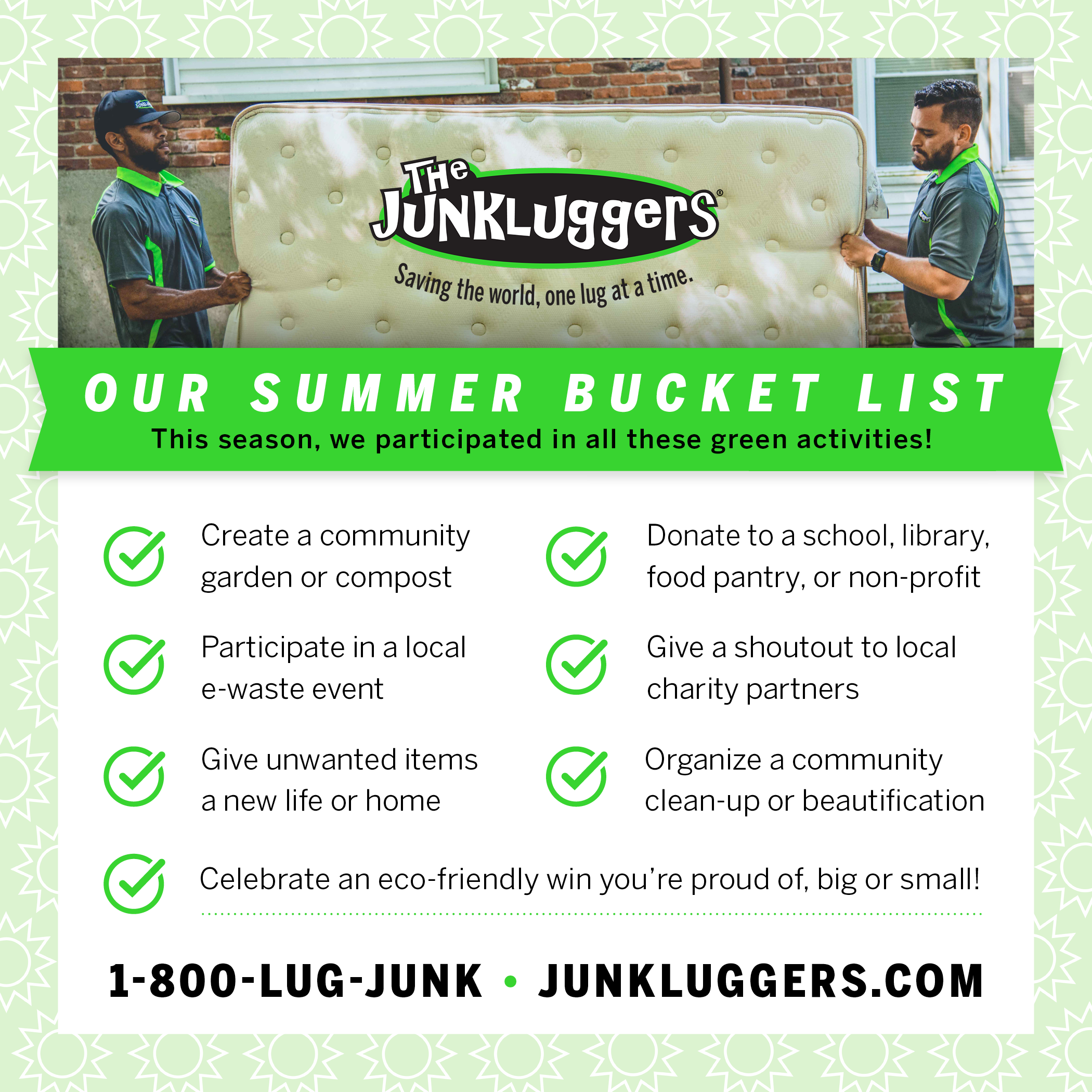
Credit: www.junkluggers.com
Comments
Post a Comment