Eco Friendly Packaging Materials For Small Business
More small businesses are looking for ways to reduce waste and improve their impact on the planet. Packaging is often the first thing customers see, and it can make a big impression. Choosing eco friendly packaging materials is not just good for the environment; it can also help your business stand out and attract customers who care about sustainability. But with so many options, how do you pick what’s best for your products and your budget? Let’s explore the most effective, practical, and sustainable packaging solutions for small businesses.
Why Eco Friendly Packaging Matters
Traditional packaging materials like plastic and polystyrene can take hundreds of years to break down. Every year, about 300 million tons of plastic are produced worldwide, and much of it ends up in landfills or oceans. Small businesses have the power to make a difference by switching to better materials.
Eco friendly packaging:
- Reduces waste
- Lowers carbon footprint
- Builds customer trust
- Meets growing demand for sustainable products
Customers are paying attention. In a recent survey, 67% of consumers said that sustainability is important when choosing products. Using eco friendly packaging can be a selling point and even boost your brand’s reputation.
Types Of Eco Friendly Packaging Materials
There are many green packaging options available. Each material has its own benefits and limitations. Here are some of the most popular choices for small businesses:
1. Recycled Paper And Cardboard
Recycled paper and cardboard are among the most common eco friendly materials. They are easy to source, affordable, and can be recycled again. They work well for boxes, bags, envelopes, and wrapping.
- Biodegradable
- Can be printed with eco inks
- Suitable for most products
2. Bioplastics
Bioplastics are made from renewable sources like corn starch or sugarcane. They look and feel similar to regular plastic but break down faster in the right conditions.
- Compostable (industrial facilities)
- Lower carbon emissions
- Not always suitable for heavy items
3. Plant-based Packaging
Materials like bamboo, palm leaves, or mushroom packaging are gaining popularity. Mushroom packaging, for example, is grown from mycelium and agricultural waste.
- Fully biodegradable
- Strong and lightweight
- Good for fragile items
4. Reusable Packaging
Some businesses offer packaging that customers can return or reuse. Examples include cloth bags, glass jars, or sturdy boxes.
- Reduces single-use waste
- Encourages customer loyalty
- Higher upfront cost
5. Compostable Films
These thin films are made from plant-based materials and break down quickly in compost.
- Great for wrapping food
- Transparent like plastic
- Needs composting facilities
6. Corrugated Bubble Wrap
Traditional bubble wrap is plastic. Corrugated bubble wrap uses recycled paper for cushioning.
- Recyclable and compostable
- Good for shipping fragile items
7. Water-based Inks
Printing with water-based inks is better for the environment than petroleum-based inks. This is important for branded packaging.
- Less toxic
- Bright colors
- Works well on paper and cardboard
8. Glass
Glass jars and bottles are reusable and recyclable. They are perfect for food, cosmetics, and liquids.
- 100% recyclable
- Preserves freshness
- Heavier and more expensive to ship
9. Metal
Aluminum and tin can be recycled many times without losing quality. Metal is ideal for cans, tins, and some containers.
- Durable
- Lightweight compared to glass
- More expensive than plastic
10. Organic Fabrics
Cotton, jute, and hemp are natural fabrics used for bags, wraps, and padding.
- Biodegradable
- Strong and reusable
- Requires more water to produce
)
Credit: www.enterprisenation.com
Comparing Eco Friendly Packaging Materials
For small businesses, price and practicality are important. Here’s a quick comparison:
| Material | Biodegradable? | Reusable? | Cost Range |
|---|---|---|---|
| Recycled Paper | Yes | No | Low |
| Bioplastics | Yes | No | Medium |
| Mushroom Packaging | Yes | No | Medium |
| Glass | No | Yes | High |
| Organic Fabrics | Yes | Yes | Medium |
Choosing The Best Eco Packaging For Your Business
Selecting the right material depends on your product, budget, and customer needs. Here are some tips:
- Match material to product: For food, use compostable films or glass. For clothing, use organic fabrics or recycled boxes.
- Consider shipping costs: Lightweight materials lower shipping fees.
- Think about branding: Choose packaging that looks good and tells your sustainability story.
- Test durability: Make sure the packaging protects your product.
- Ask customers: Sometimes, customers prefer reusable or recyclable options.
A common mistake is choosing packaging that is not really eco friendly. For example, some bioplastics need industrial composting. If your city doesn’t have this, the material may end up in landfill. Always research and ask suppliers about certifications like FSC for paper or OK Compost for bioplastics.
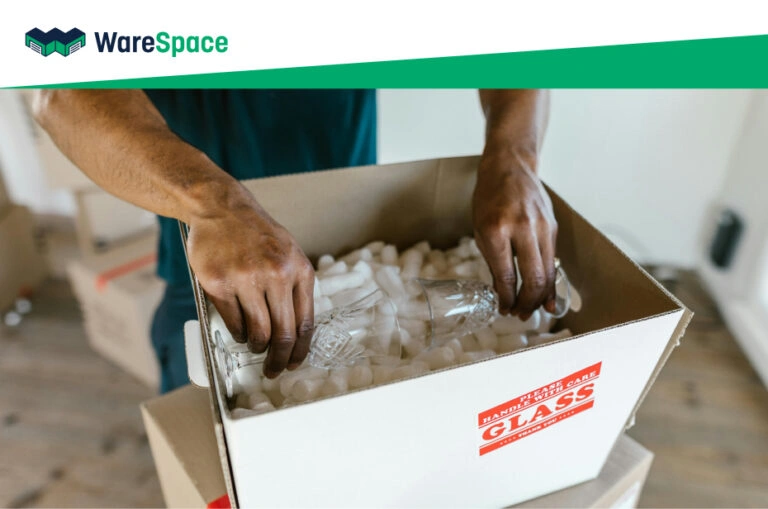
Credit: warespace.com
The Impact Of Sustainable Packaging On Small Business
Switching to eco friendly packaging can help your business in several ways:
- Customer loyalty: People want to support brands that care about the environment.
- Cost savings: Reducing waste can lower disposal fees.
- Marketing advantage: You can highlight your packaging in promotions.
In some cases, eco packaging can cost more upfront. However, it often pays off by attracting repeat customers and reducing negative environmental impact. For inspiration, check out brands like Lush or Unwrapped Life—they use minimal, recyclable, or compostable packaging and have built loyal followings.
Packaging Certifications And Labels
Look for certifications and eco labels to show customers your packaging is truly green. Here are some examples:
| Certification | What It Means | Common Materials |
|---|---|---|
| FSC | Sustainable forestry | Paper, cardboard |
| OK Compost | Compostable in facilities | Bioplastics |
| Green Seal | Meets strict environmental standards | Various |
| Mobius Loop | Recyclable | Paper, glass, metal |
Practical Steps To Start With Eco Friendly Packaging
- Audit current packaging: Find out what you use and how much waste you create.
- Source local suppliers: Reduces transport emissions and supports your community.
- Test different materials: Try samples before buying in bulk.
- Educate staff and customers: Share why you made the switch.
- Review and improve: Keep checking for new materials and better options.
Many small businesses start with simple changes, like swapping plastic bags for recycled paper bags. Over time, you can add more sustainable options.
For more information, visit EPA Sustainable Materials Management.
Frequently Asked Questions
What Is The Most Affordable Eco Friendly Packaging Material?
Recycled paper is usually the cheapest and easiest to find. It works for boxes, bags, and wrapping.
Are Bioplastics Really Better Than Regular Plastic?
Bioplastics are made from plants and break down faster, but only in the right composting facilities. If they end up in landfill, they may not be much better.
Can I Use Eco Packaging For Food Products?
Yes. Materials like compostable films and glass jars are safe for food and keep it fresh.
How Do I Know If Packaging Is Truly Eco Friendly?
Look for certifications like FSC, OK Compost, or Green Seal. Ask suppliers for proof and check if the material is recyclable or compostable in your area.
Do Customers Care About Eco Friendly Packaging?
Most customers appreciate sustainable packaging. Surveys show that over 60% of buyers prefer brands that use eco friendly materials.
Switching to eco friendly packaging may seem challenging, but it can be a smart investment for your business and the planet. Start small, make changes step by step, and watch your brand grow with a positive impact.

Credit: stampedwithlovexoxo.com
Comments
Post a Comment