Electricity bills can be high. Many people want to save money. But how? This guide will help you reduce your bill at home. The tips are simple and easy to follow. You will learn how to use less energy. This saves money and helps the planet too.
Why Does Electricity Cost So Much?
Your electricity bill depends on how much power you use. Big machines like heaters and air conditioners use the most power. Lights and small devices use less. But if you leave many things on all day, your bill goes up fast.
Also, some times of the day cost more electricity than others. Using power at night can be cheaper. Knowing when to use electricity helps lower your bill.
Easy Ways to Save Electricity
Saving electricity does not need big changes. Small habits make a big difference. Here are some easy tips to start:
- Turn off lights when you leave a room.
- Unplug devices not in use. Some use power even when off.
- Use LED bulbs. They use less energy and last longer.
- Close curtains during hot days to keep the house cool.
- Open windows in the evening to let fresh air in.
- Use fans instead of air conditioning when possible.
Save Energy in the Kitchen
The kitchen uses much electricity. Appliances like fridges, ovens, and microwaves need power. Here are tips to reduce their use:
- Use the microwave for small meals. It uses less power than the oven.
- Keep the fridge door closed to save energy.
- Defrost the fridge regularly. Ice build-up makes it work harder.
- Use a dishwasher only when full. It saves water and power.
- Cook with lids on pots to heat food faster.
How to Save on Heating and Cooling
Heating and cooling cost the most electricity. Here are ways to save:
- Set your thermostat to a comfortable but not too hot or cold temperature.
- Wear warm clothes indoors in winter instead of raising heat.
- Use fans in summer to cool rooms cheaply.
- Seal windows and doors to stop cold or hot air from entering.
- Use curtains or blinds to keep heat inside during winter.
- Consider zoning. Heat or cool only rooms you use.
Smart Use of Appliances
Appliances can use power even when not in use. This is called vampire power. Here is how to reduce it:
- Unplug chargers when not charging phones or tablets.
- Switch off TVs and computers when not watching or working.
- Use power strips to turn off many devices at once.
Use Electricity at Cheaper Times
Some electricity plans charge less at night or early morning. This is called off-peak time. You can save by doing these:
- Run washing machines and dishwashers at night.
- Charge electric devices during off-peak hours.
- Check your electricity plan to know cheap times.
Lighting Tips to Save Energy
Lighting can use a lot of power. Use these tips to save:
- Use natural light during the day.
- Switch to LED bulbs. They use less power.
- Use task lighting like desk lamps instead of lighting whole rooms.
How to Improve Your Home’s Energy Use
Sometimes your home uses more electricity because of poor design. You can fix this by:
- Request an energy audit. Experts can find where you waste power.
- Add insulation to walls and roof to keep temperature steady.
- Seal cracks around windows and doors.
- Install energy-efficient windows that keep heat in or out.
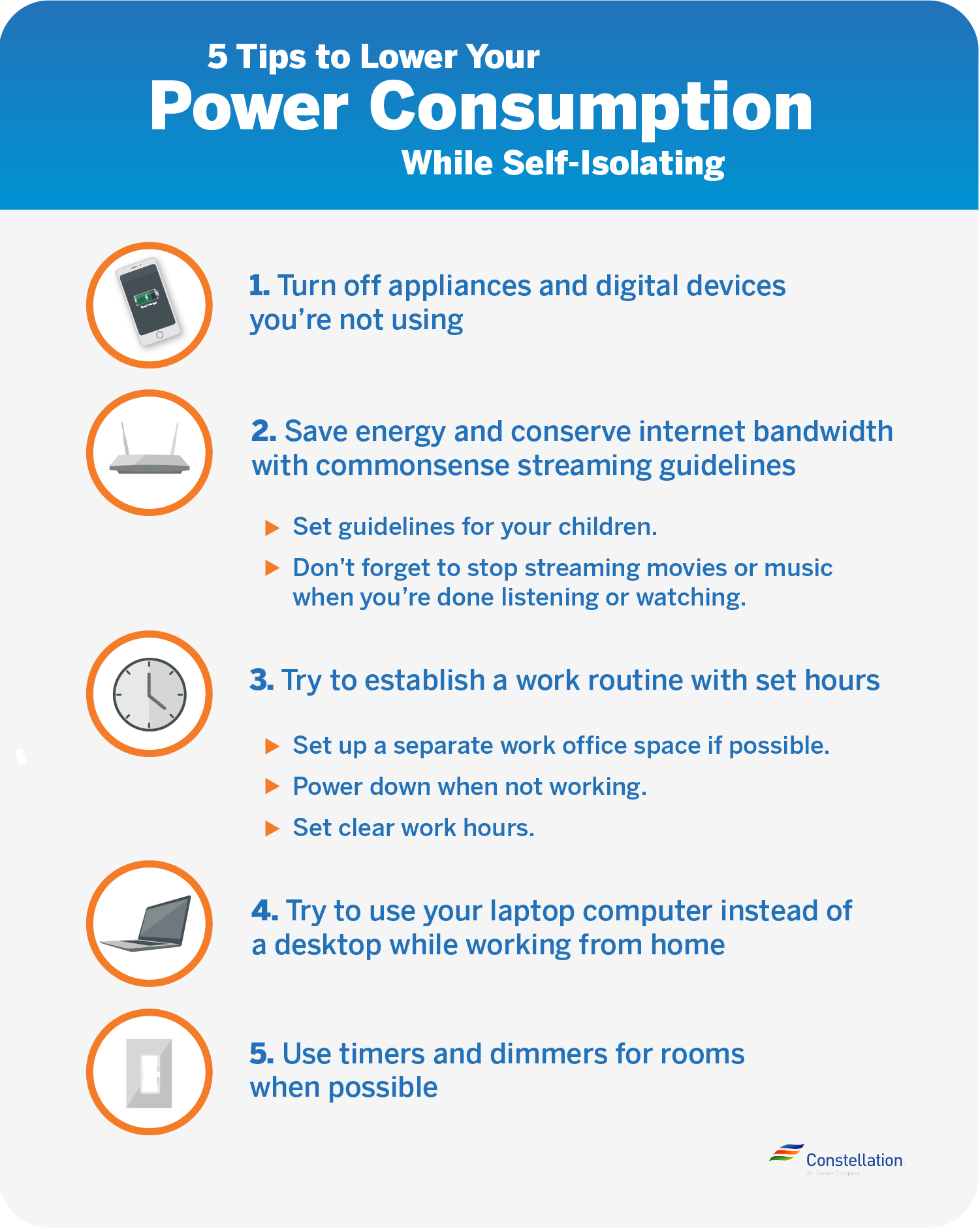
Credit: blog.constellation.com
Save Energy When Washing Clothes
Washing and drying clothes use much electricity. Save by:
- Washing clothes in cold water. It uses less energy than hot water.
- Only run full loads in the washing machine.
- Air dry clothes instead of using a dryer.
- Clean the dryer filter to help it work better.
Summary Table: Simple Tips to Reduce Electricity Bill
| Area | Tip | Why It Helps |
|---|---|---|
| Lighting | Use LED bulbs and natural light | LEDs use less power and last longer |
| Heating & Cooling | Set thermostat wisely, use fans, seal leaks | Reduces energy used to heat or cool home |
| Appliances | Unplug devices, run full loads, use off-peak times | Stops wasted energy and lowers costs |
| Kitchen | Use microwave, keep fridge closed, defrost regularly | Makes appliances work less hard |
| Water Heating | Use less hot water, fix leaks | Less energy needed to heat water |
| Home Improvements | Insulate, seal cracks, energy audit | Keeps home temperature steady, uses less power |

Credit: dasenergie.com
Final Thoughts
Reducing your electricity bill is possible. It needs small changes and smart habits. Turning off lights and unplugging devices help a lot. Using energy-efficient bulbs and appliances saves money. Heating and cooling wisely lowers big costs.
Remember, saving electricity also helps the environment. Less energy use means less pollution. Start today. Make your home energy smart. You will see your bill go down.
Frequently Asked Questions
What Uses Up The Most Electricity In A House?
Heating and cooling systems use the most electricity in a house. They can account for over 50% of energy costs. Appliances like water heaters and refrigerators also consume significant power. Managing HVAC use and upgrading to energy-efficient models reduces electricity consumption effectively.
What Are 10 Ways To Save Electricity?
1. Turn off lights and appliances when not in use. 2. Use energy-efficient LED bulbs. 3. Unplug devices to avoid vampire energy loss. 4. Set thermostat to save on heating and cooling. 5. Wash clothes in cold water. 6. Use dishwasher efficiently.
7. Seal doors and windows to prevent drafts. 8. Close curtains to reduce heat loss. 9. Schedule heavy appliance use during off-peak hours. 10. Conduct a home energy audit regularly.
What Is The Cheapest Time Of Day To Use Electricity?
The cheapest time to use electricity is during off-peak hours, usually late night to early morning. Rates drop as demand lowers. Using appliances then can cut energy costs effectively. Check local utility schedules for exact off-peak times. This strategy helps reduce your electricity bill significantly.
Comments
Post a Comment