Sustainable Products To Sell Online
The world is changing fast. More people want to buy things that help protect the planet. Selling sustainable products online is now a smart way to build a business and help the environment. Customers are looking for items that are good for nature, made from safe materials, and last a long time. This demand is not just in big cities; it is growing everywhere. Whether you are starting a new online shop or want to add green options to your store, knowing what to sell is key. Let’s dive into the best sustainable products you can offer, tips on what matters, and the small details that many sellers miss.
What Makes A Product Sustainable?
Not every “eco-friendly” label means the same thing. A sustainable product should:
- Use fewer natural resources
- Be made from recycled or renewable materials
- Create less waste
- Last longer than regular products
- Have ethical supply chains (fair labor, safe factories)
For example, a shirt made from organic cotton uses less water and no harmful chemicals. But if it is shipped in plastic and made in a polluting factory, it is not truly sustainable. Always check the full story behind each product.
Top Sustainable Products To Sell Online
Here are some products that are both popular and truly sustainable:
1. Reusable Water Bottles
Stainless steel and glass bottles cut down on single-use plastic. Many buyers look for bottles with unique designs or built-in filters.
2. Bamboo Toothbrushes
These brushes use bamboo handles instead of plastic. Bamboo grows quickly and does not need chemicals. Make sure bristles are also plant-based for full sustainability.
3. Organic Cotton Clothing
Clothes made from organic cotton are softer and use safer dyes. Look for brands that also offer fair wages to workers.
4. Beeswax Food Wraps
These wraps replace single-use plastic wrap. They use cotton cloth, beeswax, and tree resin to keep food fresh. Many families switch to these for lunches and leftovers.
5. Compostable Phone Cases
Most phone cases are plastic. Compostable cases use plant fibers and break down in a compost bin after use.
6. Reusable Shopping Bags
Cotton, canvas, or recycled plastic bags are a must-have. Custom prints and strong handles make them more attractive to shoppers.
7. Biodegradable Trash Bags
These bags break down faster than regular plastic. They are great for homes and businesses looking to lower their waste.
8. Eco-friendly Yoga Mats
Mats made from natural rubber or cork are popular with fitness lovers. They last long and do not release harmful chemicals.
9. Refillable Beauty Products
Makeup and skin care in refillable glass or aluminum containers cut down on packaging waste. Some brands offer discounts for refilling.
10. Solar-powered Gadgets
Solar chargers, lanterns, and power banks are helpful and use clean energy. They are perfect for travelers and outdoor fans.
11. Upcycled Home Decor
Items made from recycled wood, glass, or metal are unique and save materials from going to landfills.
12. Plant-based Cleaning Products
Soaps and sprays made from natural oils and extracts are safer for homes and water systems. Concentrated refills also use less packaging.
13. Organic Seeds And Gardening Kits
With more people growing food at home, organic seeds and kits are in demand. Kits that use biodegradable pots and natural fertilizers are best.
14. Secondhand Or Vintage Clothing
Selling gently used clothes saves resources and gives items a second life. Online thrift stores are growing every year.
15. Eco-friendly Period Products
Menstrual cups, cloth pads, and biodegradable tampons are becoming more common. They cut down on waste and save money long-term.
Comparison: Sustainable Vs. Non-sustainable Products
To show the difference, here is a simple comparison:
| Product | Sustainable Option | Traditional Option | Main Benefit |
|---|---|---|---|
| Water Bottle | Stainless Steel | Single-Use Plastic | Reusable, no waste |
| Toothbrush | Bamboo | Plastic | Biodegradable handle |
| Yoga Mat | Natural Rubber | PVC | No toxic chemicals |
What To Consider Before Selling Sustainable Products
There are a few things new sellers might miss:
- Certification matters: Look for products with real certifications like USDA Organic, Fair Trade, or B Corp. Customers trust these more.
- Shipping impact: Use recycled packaging and offer carbon-neutral shipping if possible.
- True cost: Sustainable products sometimes cost more. Make it clear why they are worth it (last longer, save money, safer).
- Local sourcing: Products made closer to home use less energy for transport.
- Education helps sales: Explain the benefits on your product pages. Many buyers want to know the story behind what they buy.
Where To Find Sustainable Products
You can source these items from:
- Local artisans: Unique, small-batch goods often have a lower carbon footprint.
- Wholesale suppliers: Look for suppliers with clear environmental policies.
- Eco marketplaces: Sites like Etsy or EarthHero focus on green products.
Common Mistakes To Avoid
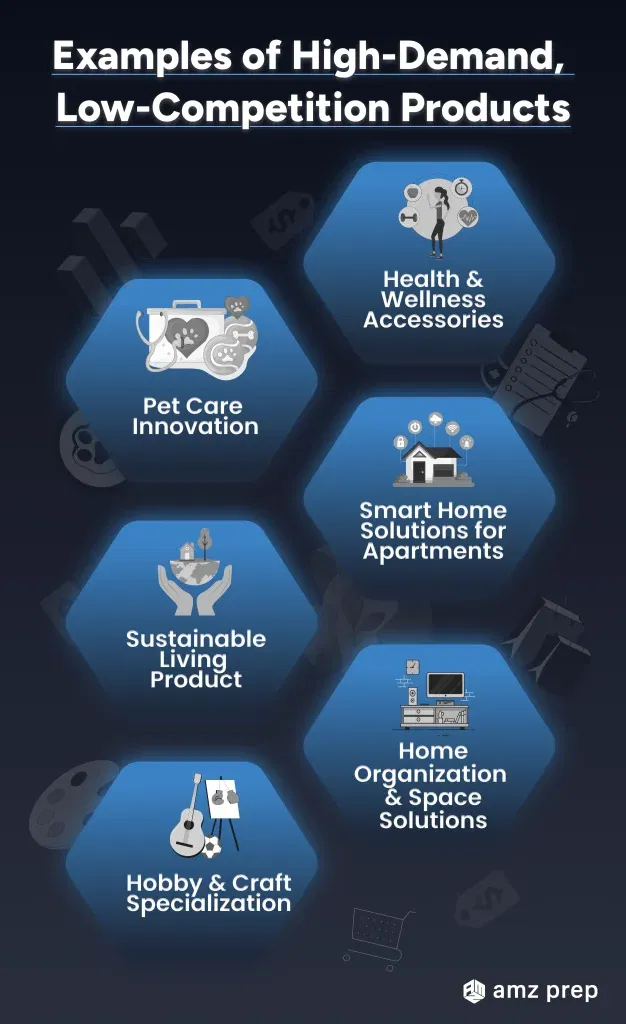
- Ignoring the full supply chain (look at materials, labor, shipping)
- Overusing “green” words without proof
- Not offering enough product details (materials, care, end-of-life)
- Forgetting to check for recyclable packaging
Credit: amzprep.com
Simple Marketing Tips
- Use real photos showing the eco features (like composting, reusable parts)
- Share data (e.g., “One bamboo brush replaces 4 plastic ones per year”)
- Highlight customer reviews about durability and value
- Offer bundles for eco swaps (starter kits sell well)
Example: Popular Sustainable Product Sales Data
Here is a look at sales growth in three popular categories:
| Product Type | Annual Growth Rate (%) | Market Value (2023, USD) |
|---|---|---|
| Reusable Water Bottles | 4.3 | 8.1 Billion |
| Organic Clothing | 10.2 | 6.5 Billion |
| Eco Beauty Products | 5.5 | 12.7 Billion |
(source: statista)
Credit: litcommerce.com
Why Now Is The Best Time
More than 60% of shoppers say they want to buy from brands that care about the planet. Major marketplaces are adding eco labels and filters. If you start selling sustainable products now, you can build a loyal customer base before the market gets crowded.
Every product you sell has an impact. With the right choices, you can help the planet, build a modern brand, and make a real difference in your community.
Frequently Asked Questions
What Is The Most Profitable Sustainable Product To Sell Online?
Reusable water bottles and organic clothing are both high sellers. They have strong repeat customers and can be branded for higher prices.
Do Sustainable Products Really Sell Better?
Yes, data shows that products with eco claims often outsell regular items, especially among younger buyers.
How Do I Know If A Product Is Truly Sustainable?
Check for certifications like USDA Organic, Fair Trade, or B Corp. Research the supply chain and look for brands that share full details.
Is Selling Sustainable Products More Expensive?
Sometimes the starting cost is higher. But these products usually last longer, and many buyers are willing to pay more for quality and ethics.
Where Can I Learn More About Eco Certifications?
You can read about common certifications on the Wikipedia Ecolabel page, which explains the main eco labels and what they mean.
Choosing the right sustainable products lets you create a business that matches your values and meets growing customer demand. Start small, focus on quality, and always keep learning to stay ahead in this fast-changing market.
Credit: www.nextsmartship.com
Comments
Post a Comment