Keeping food fresh and safe is important for every family. But using plastic bags and containers can harm the planet. Many families want to save money and help the environment. This article shares easy and budget-friendly ideas for eco friendly food storage. These tips can help families save money and reduce waste.
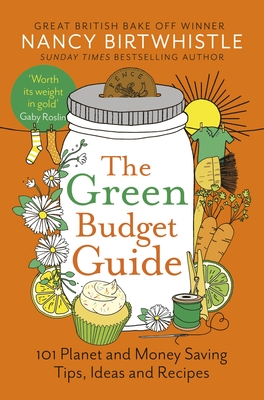
Credit: broadwaybooks.net
Why Choose Eco Friendly Food Storage?
Plastic food containers and wraps are cheap. But they create a lot of waste. Most plastic takes hundreds of years to break down. It can pollute the soil and water.
Eco friendly food storage uses materials that are reusable or break down faster. This helps keep the planet clean. It also teaches kids good habits about caring for nature.
Glass Mason Jars: Cheap and Durable
Glass mason jars are a top choice for eco friendly food storage. You can buy them for low prices at thrift stores or big stores. They come in many sizes like quart and half-gallon jars.
- Safe for hot and cold foods
- Easy to clean in the dishwasher
- Can be used to store dry food, leftovers, or liquids
- Last for many years if handled carefully
Glass jars do not keep smells or stains. So you can reuse them for different foods. They also look nice on kitchen shelves.
Beeswax Wraps: Natural and Reusable
Beeswax wraps are a great alternative to plastic wrap. They are made from cotton fabric coated with beeswax. The wax makes the fabric sticky and flexible.
- Wrap sandwiches, cheese, fruits, and vegetables
- Wash gently with cold water and soap
- Use again and again, which saves money
- Break down naturally when worn out
Beeswax wraps come in different sizes and patterns. They are light and easy to carry for school or work lunches.
Reusable Fabric Bags: For Produce and Snacks
Many families throw away plastic produce bags after one use. Instead, try reusable fabric bags. These bags are made from cotton or mesh and can be washed.
- Use for fruits, vegetables, and nuts
- Easy to clean in the washing machine
- Lightweight and fold small for storage
- Save money by avoiding plastic bag purchases
These bags also allow air to flow, keeping produce fresh longer. They are perfect for trips to the farmer’s market.
Bamboo Containers: Stylish and Sustainable
Bamboo is a fast-growing plant. It is a good material for food containers and lids. Bamboo containers are sturdy and eco friendly.
- Use for dry snacks, nuts, or small leftovers
- Natural look fits any kitchen style
- Lightweight and easy to carry
- Can last a long time with good care
Some bamboo containers come with glass or stainless steel inserts. These mixes make them even more useful.

Credit: www.amazon.com
Silicone Storage Bags: Flexible and Reusable
Silicone bags are a good plastic-free option. They are soft, flexible, and can be sealed tight.
- Store sandwiches, snacks, and small leftovers
- Safe for freezer, microwave, and dishwasher
- Use again many times to save money
- Do not break or tear easily
Silicone bags cost more at first but last for years. This makes them a good budget choice over time.
Pyrex and Glass Containers: Lasting and Safe
Pyrex and other glass containers work well for food storage. They are easy to clean and do not hold odors.
- Store cooked meals, fruits, and leftovers
- Use lids to keep food fresh
- Microwave and oven safe (check labels)
- Reusable for many years
You can find glass containers at thrift stores or sales to save money. They are better than plastic for health and the environment.
Tips to Save Money and Reduce Waste
Using eco friendly storage is good. But it helps to have smart habits too. Here are some ideas:
| Tip | Why It Helps |
|---|---|
| Buy secondhand jars and containers | Save money and reuse items |
| Wash and reuse bags and wraps carefully | Make items last longer |
| Store food in portion sizes | Reduce waste by using only what you need |
| Freeze leftovers in glass or silicone containers | Keep food fresh and avoid plastic freezer bags |
| Organize pantry and fridge often | Use food before it goes bad |
How to Get Started with Eco Friendly Storage
Start small. Try one or two new items this month. Maybe buy some glass jars or beeswax wraps. Replace plastic bags with fabric produce bags.
Involve your family. Show children how to use wraps and jars. Make it fun to pack lunches in reusable bags. This helps make the habit last.
Look for good deals at thrift stores, garage sales, or online. Many families sell unused containers for low prices. This saves money and stops waste.
Final Thoughts
Eco friendly food storage does not have to be expensive. Simple changes can save money and protect the planet. Glass jars, beeswax wraps, fabric bags, and bamboo containers are all good options.
Remember, every little step helps. Saving food and reducing plastic waste is good for your family and the earth. Try these budget-friendly ideas. You will see the benefits soon.
Frequently Asked Questions
What Are Budget-friendly Eco-friendly Food Storage Options?
Glass mason jars and reusable produce bags are affordable choices. Bamboo containers and beeswax wraps also save money and reduce waste. These items last long and keep food fresh naturally.
How Can Families Reduce Plastic Use In Food Storage?
Switch to non-toxic containers like Pyrex or OXO glass sets. Use reusable bags and wraps instead of single-use plastic. This cuts down plastic waste and protects the environment.
Which Materials Are Best For Safe, Eco-friendly Food Storage?
Glass, bamboo, and beeswax are safe, natural materials. They don’t leach harmful chemicals into food. Choosing these helps keep food fresh and supports a greener kitchen.
Comments
Post a Comment