Storing food safely is important for health. Many people use plastic containers. But plastic can harm the environment and your body. Chemicals in plastic can leak into food. So, it is good to find natural ways to store food.
This article will share simple, natural food storage ideas. These ideas avoid plastic and harmful chemicals. They help keep food fresh and healthy.
Why Avoid Plastic and Chemicals?
- Plastic can release toxic chemicals into food.
- Plastic waste harms the environment.
- Chemicals can affect your health over time.
- Natural storage is safer and eco-friendly.
Choosing natural food storage helps protect your family and the planet.
Best Natural Food Storage Containers
There are many types of containers you can use without plastic or chemicals. Here are some of the best options:
| Container Type | Benefits | Uses |
|---|---|---|
| Glass Jars | Non-toxic, easy to clean, reusable | Storing sauces, soups, dry goods |
| Stainless Steel Containers | Durable, chemical-free, long-lasting | Lunch boxes, leftovers, snacks |
| Ceramic Containers | Non-reactive, heat-resistant | Storing cooked food, baking |
| Wooden Boxes or Baskets | Natural, breathable for dry foods | Vegetables, fruits, bread |
| Beeswax Wraps | Reusable, breathable, seals food well | Wrapping cheese, bread, sandwiches |
How to Use Glass Jars for Food Storage
Glass jars are a great choice. They do not hold smells or colors from food. You can see inside easily.
Use glass jars for:
- Storing dry foods like rice, beans, and nuts.
- Keeping homemade jams and pickles.
- Freezing soups and sauces. Make sure to leave space for expansion.
Make sure the lids fit tightly to keep food fresh.
Stainless Steel Containers for Safe Storage
Stainless steel is strong and safe for food. It does not react with food or change its taste.
Good for:
- Carrying lunch to school or work.
- Storing leftovers in the fridge.
- Keeping snacks like nuts or dried fruits.
Choose containers with tight lids to avoid spills.
Benefits of Beeswax Wraps
Beeswax wraps are cloth sheets coated with beeswax. They are soft and flexible.
Use beeswax wraps to:
- Cover bowls instead of plastic wrap.
- Wrap sandwiches or cheese for snacks.
- Keep cut fruits fresh for a short time.
They are washable and last for months. When old, you can compost them.
Using Wooden Boxes and Baskets
Wood is natural and lets air flow. This helps keep some foods fresh.
Use wooden boxes to store:
- Potatoes, onions, and garlic.
- Fruits like apples and pears.
- Bread and rolls.
Keep wooden containers in a cool, dry place.
Freezing Food Without Plastic
Freezing is a great way to keep food longer. But plastic bags are common in freezing. Try these ideas instead:
- Use glass jars with wide mouths for soups or sauces.
- Use stainless steel containers made for freezing.
- Freeze small portions in silicone trays.
Always cool food before freezing to avoid breaking glass.

Credit: lifestyle.sustainability-directory.com
Other Natural Food Storage Tips
Besides containers, these tips help keep food fresh naturally:
- Keep fruits and vegetables in paper bags or cloth sacks.
- Store herbs wrapped in damp cloth in the fridge.
- Keep dry grains and beans in airtight glass jars.
- Use cloth bags for bread instead of plastic.
How to Make Your Own Beeswax Wraps
You can make beeswax wraps at home. Here is a simple way:
- Get cotton fabric squares.
- Melt beeswax in a double boiler.
- Brush melted beeswax on fabric.
- Place fabric on a baking sheet and heat for a few minutes.
- Let it cool and harden.
Use these wraps to cover food and bowls.
Storing Food in the Pantry Naturally
Use these natural containers to keep pantry food fresh:
- Glass jars for pasta, sugar, and flour.
- Wooden boxes for potatoes and onions.
- Clay pots for grains and nuts.
Keep pantry dry and clean. It helps prevent mold and bugs.
Natural Food Storage for Vegetables and Fruits
Different fruits and vegetables need different care.
- Store leafy greens wrapped in damp cloth in the fridge.
- Keep tomatoes at room temperature, not in the fridge.
- Use breathable baskets for apples and pears.
Check food often to remove any spoiling parts.
Benefits of Natural Food Storage
- Food tastes better and stays fresh longer.
- Less waste from plastic bags and containers.
- Better for the environment and your health.
- Saves money by reusing containers.
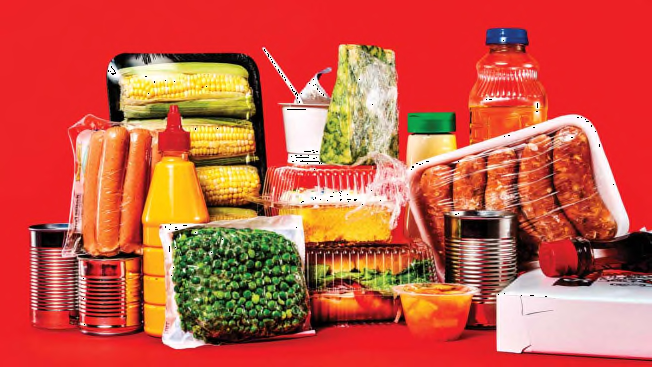
Credit: www.consumerreports.org
Frequently Asked Questions
What To Store Food In Instead Of Plastic?
Store food in glass jars, stainless steel containers, beeswax wraps, silicone bags, or ceramic dishes instead of plastic. These options are eco-friendly, non-toxic, and preserve freshness well. Choose reusable, durable materials to reduce waste and avoid chemical exposure from plastic storage.
What Are The Best Non-toxic Food Storage Containers?
The best non-toxic food storage containers are glass, stainless steel, and silicone options. Beeswax wraps also provide eco-friendly alternatives. These materials avoid harmful chemicals and plastic toxins, ensuring safer food storage and preserving freshness naturally. Choose BPA-free, durable containers for health and sustainability.
What Are The Top 10 Foods To Stockpile?
Top 10 foods to stockpile include rice, beans, canned tomatoes, corn, green beans, baked beans, tuna, chili, roast beef, and beef stew. These items store well and provide versatile meal options.
Conclusion
Natural food storage is simple and healthy. Use glass, stainless steel, wood, and beeswax wraps. Avoid plastic to protect your food and the planet. These ideas are easy to follow every day. Start today and enjoy fresh, safe food.
Remember, small changes make a big difference over time.
Comments
Post a Comment