Living in an apartment or small space can make storing food a challenge. Space is limited. But, you still want to keep food fresh and reduce waste. This article shares simple and sustainable ideas to store food smartly. These ideas save space, money, and help the planet.
Why Choose Sustainable Food Storage?
Sustainable food storage means using ways that help the environment. It also means less waste and saving money. When you store food well, less food goes bad and gets thrown away. Using reusable containers and natural wraps is good for the earth. Small homes and apartments can use these ideas easily.
Use Standardized Containers
One of the best ways to save space is to use containers that are all the same shape and size. These containers stack well and fit nicely on shelves.
- Choose clear glass or plastic containers with airtight lids.
- Label each container so you know what is inside.
- Keep dry goods like rice, beans, and pasta in these containers.
Standard containers look neat and make your kitchen organized. They keep food fresh longer and reduce the need for plastic bags.
Try Beeswax Wraps
Beeswax wraps are a great alternative to plastic wrap. They are made from cotton cloth and beeswax. These wraps keep food fresh without plastic waste.
- Use them to cover bowls or wrap sandwiches and fruits.
- They are washable and reusable many times.
- When old, they can be composted.
Beeswax wraps are perfect for small spaces because they take up very little room.
Use Stackable Storage Solutions
Stacking is a smart way to save space. You can use stackable bins and containers in your fridge, pantry, or cabinets.
- Look for containers with flat lids.
- Stack similar sizes together for stability.
- Use clear containers to see what’s inside without opening.
This system helps keep your food visible and easy to reach.
Choose Multi-Use Containers
Containers that serve many purposes save space and money. For example, glass jars can store dry goods, liquids, or leftovers.
- Use mason jars for grains, nuts, or dried fruits.
- Use the same jar to store homemade sauces in the fridge.
- Glass jars are easy to clean and last a long time.
Multi-use containers reduce the need for many different storage items.
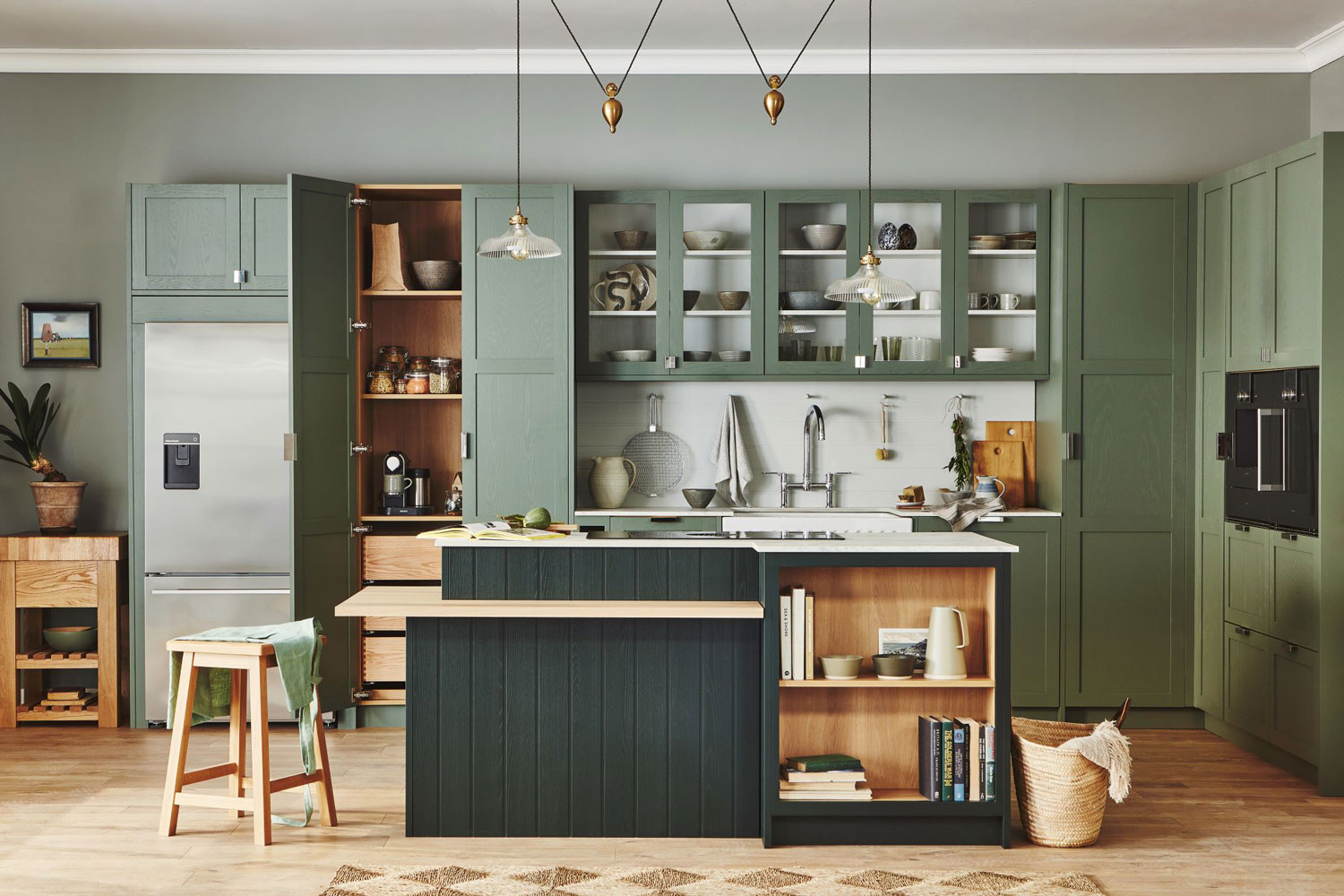
Use Magnetic and Wall Storage
In a small apartment, wall space is your friend. You can add magnetic racks or hooks to keep items off counters.
- Use magnetic spice jars on the fridge.
- Hang baskets on the wall for fruits and vegetables.
- Install small shelves or rails to hold containers.
Wall storage keeps counters clear and makes your kitchen look tidy.
Credit: www.nakedkitchens.com
Store Food in Airtight Bags
Reusable silicone bags are a good option for small spaces. They are flexible and take less room than boxes or jars.
- Use these bags for snacks, chopped veggies, or leftovers.
- They are easy to clean and can be used many times.
- They keep food fresh and prevent spills.
This option helps you avoid single-use plastic bags.
Use Baskets and Boxes for Dry Food
Baskets and boxes can hide food and make your space look neat. They work well for non-perishable items.
- Use wicker baskets to store potatoes, onions, or garlic.
- Use boxes to keep snack packets or baking supplies.
- These containers fit under counters or on shelves.
They also add a nice look to your kitchen.
Organize Your Pantry Smartly
Good organization helps you find food quickly and avoid waste. Use shelves, bins, and labels to keep things tidy.
- Group similar items together (canned goods, grains, snacks).
- Put frequently used items at eye level.
- Use clear containers to see when supplies are low.
Regularly check your pantry to remove expired items.
Use Vacuum Sealed Bags for Bulk Storage
Vacuum sealing removes air and keeps food fresh longer. It works well for bulk foods and leftovers.
- Vacuum seal rice, beans, or nuts to save space.
- Seal cooked food to freeze for later use.
- These bags are compact and stack well.
This method helps reduce spoilage and food waste.
Credit: www.extraspace.com
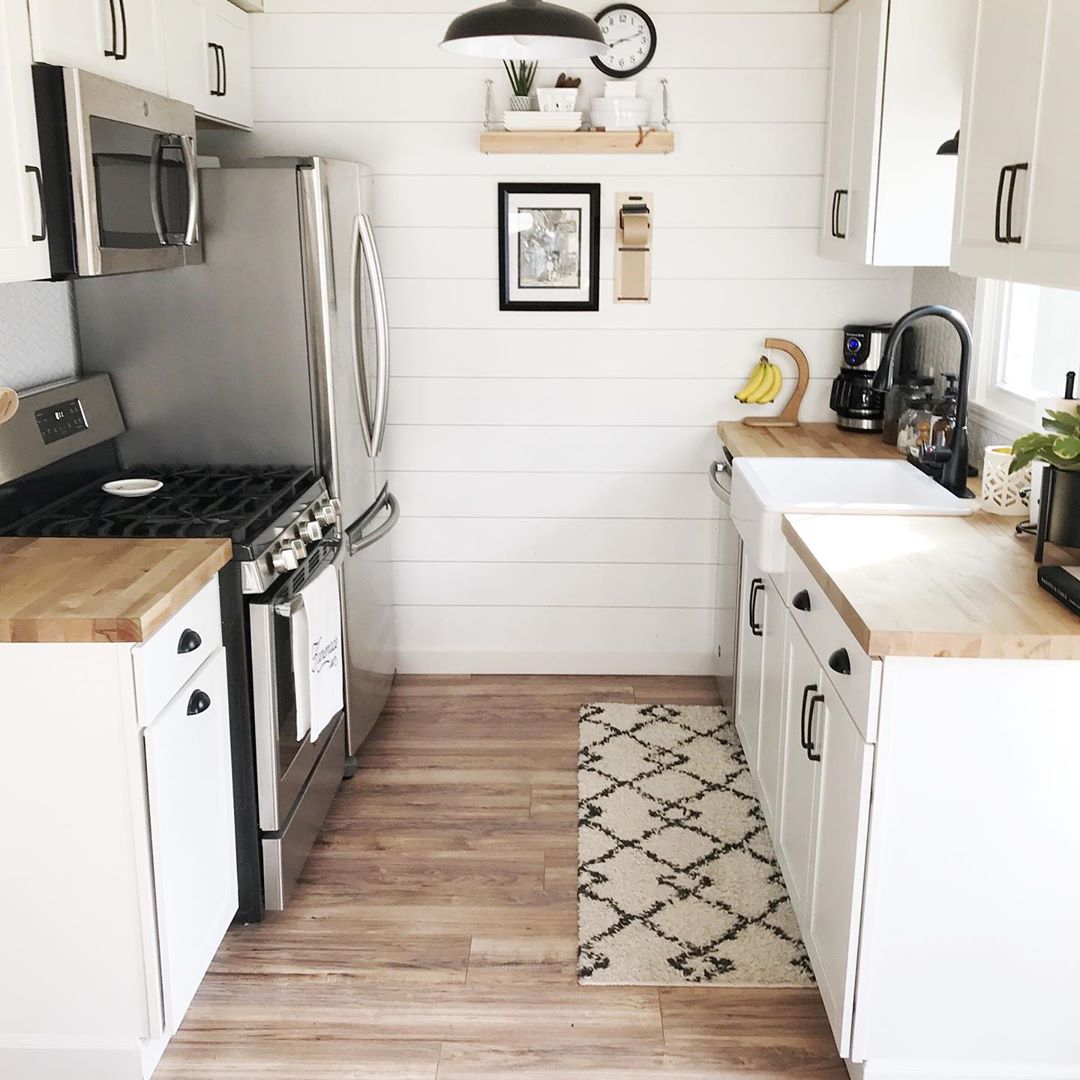
Store Food in Hidden Spaces
Look for hidden spaces to keep extra food. Small apartments have many unused spots.
- Use space under beds or sofas with flat bins.
- Use empty drawers or closets for pantry overflow.
- Use storage furniture like ottomans or benches.
These spots keep food out of the way but easy to find.
Use Natural Storage for Some Foods
Some foods do well stored in natural ways without plastic or containers.
- Keep onions and potatoes in a cool, dark basket.
- Store garlic in a paper bag with holes.
- Keep bread in a cloth bag or bread box.
These simple methods cut down on packaging waste.
Summary Table: Sustainable Food Storage Tips
| Storage Idea | Description | Benefits |
|---|---|---|
| Standard Containers | Use same-size containers for dry foods. | Neat, stacks well, keeps food fresh. |
| Beeswax Wraps | Reusable wraps for covering food. | Reduces plastic, reusable, compostable. |
| Stackable Storage | Containers that stack to save space. | Maximizes shelf space, easy to see food. |
| Multi-Use Containers | Glass jars for many food types. | Saves money, reduces clutter. |
| Magnetic/Wall Storage | Use walls for jars, baskets, hooks. | Frees counter space, keeps kitchen tidy. |
| Reusable Silicone Bags | Flexible bags for snacks, leftovers. | Less plastic waste, space-saving. |
| Baskets & Boxes | Store dry food in baskets or boxes. | Organized, nice look, hides clutter. |
| Vacuum Sealed Bags | Seal food to remove air and save space. | Keeps food fresh longer, reduces waste. |
Final Thoughts
Living in a small apartment does not mean you must give up good food storage. Use these simple, sustainable ideas. They help you save space, reduce waste, and keep food fresh. Small steps make a big difference for your home and the planet.
Start with one or two ideas and add more as you go. Soon, your kitchen will be neat, green, and full of fresh food.
Frequently Asked Questions
What Are The Best Containers For Sustainable Food Storage?
Use airtight glass or BPA-free plastic containers to keep food fresh. Standardized sizes save space and reduce waste. They also help organize small apartment kitchens easily.
How Can I Save Space With Food Storage In Apartments?
Stackable containers and magnetic racks maximize vertical space efficiently. Use clear containers to quickly find items without opening them. This keeps your small kitchen neat and sustainable.
What Sustainable Materials Are Ideal For Food Storage?
Bamboo lids, beeswax wraps, and silicone bags are eco-friendly choices. They reduce plastic use and are reusable for long-term storage. These materials keep food fresh and support sustainability goals.
Comments
Post a Comment