Mason jars have been a popular choice for food storage for many years. But can you use them for vacuum sealing dry food? The short answer is yes. Mason jars can be vacuum sealed to keep dry foods fresh for longer. This article will explain how, why, and what you should know before using them for vacuum sealing.
What Is Vacuum Sealing?
Vacuum sealing is the process of removing air from a container before sealing it tightly. When air is removed, the food inside stays fresh longer. This happens because air contains oxygen, which helps food spoil. Without air, bacteria and mold grow slower or stop.
Vacuum sealing also helps keep moisture out. Dry foods like rice, beans, nuts, or flour stay dry and do not get spoiled by humidity. Vacuum sealing is a good way to save food and reduce waste.
Why Use Mason Jars for Vacuum Sealing Dry Food?
Mason jars are glass containers with a metal lid. They are strong and reusable. Here are some reasons to use mason jars for vacuum sealing dry food:
- Reusable lids: The lids can be used many times, unlike single-use plastic bags.
- Clear glass: You can see the food inside without opening the jar.
- Safe for food: Glass does not react with food and keeps it fresh.
- Good for long-term storage: Vacuum sealed mason jars keep dry food fresh for months or even years.
- Easy to store: Mason jars stack well in cupboards or pantries.
How To Vacuum Seal Mason Jars for Dry Food
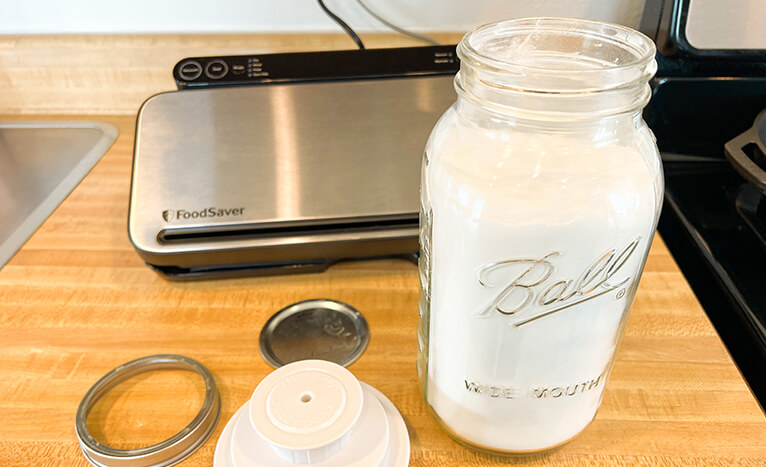
Vacuum sealing mason jars is different from vacuum sealing plastic bags. You need special equipment called a jar sealer attachment. This attachment fits your vacuum sealer and works with mason jar lids.
Follow these steps to vacuum seal dry food in mason jars:
- Choose the right jar size: Pick a jar that fits the amount of dry food you want to store.
- Fill the jar: Put your dry food inside, but leave some space at the top. Do not fill the jar to the brim.
- Place the vacuum sealer lid: Use a special lid designed for vacuum sealing. Regular canning lids do not work well for vacuum sealing.
- Attach the vacuum sealer: Connect the jar sealer attachment to your vacuum sealer machine.
- Start the vacuum process: Turn on the vacuum sealer. It will remove air from the jar and seal the lid.
- Check the seal: Make sure the lid is tight and the jar is sealed with no air inside.
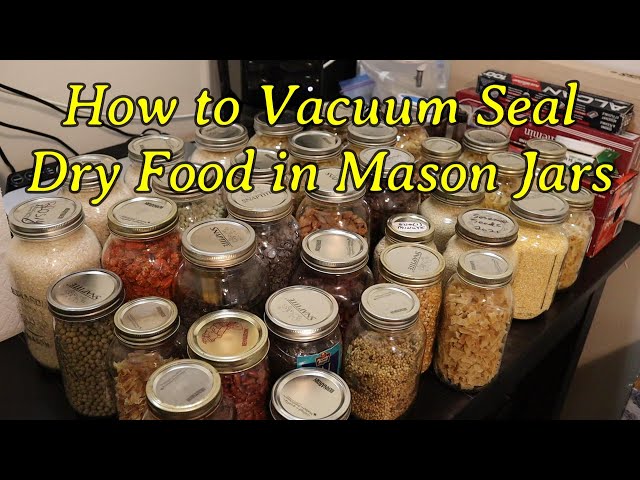
Credit: www.youtube.com
What Foods Are Best for Vacuum Sealing in Mason Jars?
Dry foods are the best choice for vacuum sealing in mason jars. These include:
- Rice
- Beans
- Nuts
- Flour
- Pasta
- Dried herbs and spices
- Powdered milk or coffee
These foods stay fresh longer when vacuum sealed. The process keeps air and moisture out. This stops the food from going bad or getting bugs inside.
What Foods Should You Avoid Vacuum Sealing in Mason Jars?
Some foods are not safe to vacuum seal in mason jars. Avoid vacuum sealing:
- Fresh fruits and vegetables that have high moisture
- Cooked foods that can spoil quickly
- Foods that might grow bacteria without air, like cooked meat
- Foods that release gases, such as bananas or soft cheeses
Vacuum sealing moist or cooked foods in jars can cause bad bacteria to grow. This can lead to illness. Always use vacuum sealing only for dry foods or foods that do not spoil easily.
Credit: gubbahomestead.com
How Long Does Vacuum Sealed Dry Food Last in Mason Jars?
When vacuum sealed properly, dry foods can last much longer than usual. Here is a general idea:
| Food Type | Normal Shelf Life | Shelf Life Vacuum Sealed in Mason Jar |
|---|---|---|
| Rice | 6 months to 1 year | 2 to 3 years |
| Beans | 1 year | 2 to 3 years |
| Nuts | 6 months | 1 to 2 years |
| Flour | 6 to 8 months | 1 to 2 years |
| Dried Herbs/Spices | 6 months to 1 year | 1 to 2 years |
Remember, these times can change depending on storage temperature and humidity. Keep jars in a cool, dark place for best results.
Potential Problems When Vacuum Sealing Dry Food in Mason Jars
While vacuum sealing in mason jars works well, there are some pitfalls to know.
- Filling jars to the brim: Do not fill jars completely. Leave about one inch of space at the top. This space is needed for the vacuum seal to work well.
- Using regular canning lids: Regular lids are made for heat sealing, not vacuum sealing. Use lids made for vacuum sealing with a valve.
- Moisture inside the jar: Even small amounts of moisture can stop the vacuum seal. Make sure food is dry before sealing.
- Cracked jars: Glass jars can break if you use the wrong vacuum sealer or put too much force on them. Use proper equipment.
- Improper sealing: Check seals carefully. If air leaks in, food will spoil faster.
How to Avoid Problems
Follow these tips to avoid problems when vacuum sealing in mason jars:
- Use only dry foods that do not have moisture.
- Use a vacuum sealer with a jar sealer attachment.
- Use special vacuum sealing lids made for mason jars.
- Leave space at the top of the jar for air removal.
- Check jars and lids for cracks or damage before use.
- Store sealed jars in a cool, dry place.
Can You Reuse Mason Jar Lids for Vacuum Sealing?
Yes, one big advantage of vacuum sealing dry food in mason jars is that the lids can be reused. Unlike regular canning lids, vacuum sealing lids are designed to be used many times. This saves money and reduces waste.
Make sure to clean the lids well after each use. Check the rubber or silicone seal on the lid. If it becomes damaged, replace the lid for a good seal.
Is Vacuum Sealing Mason Jars Safe?
Vacuum sealing mason jars for dry food is safe when done correctly. Removing air slows down food spoilage and keeps bugs out. But it is important to follow the right steps. Do not vacuum seal moist or cooked foods in mason jars. These can grow dangerous bacteria like botulism.
For dry foods, vacuum sealing is a good way to keep food fresh and safe for longer. Always store vacuum sealed jars in a cool, dark place to avoid heat damage.
Summary
Can you use mason jars for vacuum sealing dry food? Yes, you can. Mason jars keep dry foods fresh by removing air and moisture. This extends the shelf life of foods like rice, beans, nuts, and flour.
Use a vacuum sealer with a jar sealer attachment and special lids. Do not fill jars to the brim. Avoid vacuum sealing moist or cooked foods in mason jars.
With the right tools and care, vacuum sealed mason jars help reduce food waste and save money. They are a simple and safe way to store dry food for a long time.
Comments
Post a Comment